Lime Plaster In a Tuscan Style Villa

Lime plaster has been my choice of material for almost a decade now. Recently someone told me it takes 10,000 hours to become proficient at any trade whether it be carpentry, framing or even a stone mason, the time spent honing that skill will one day make you a tradesman (or tradeswoman).

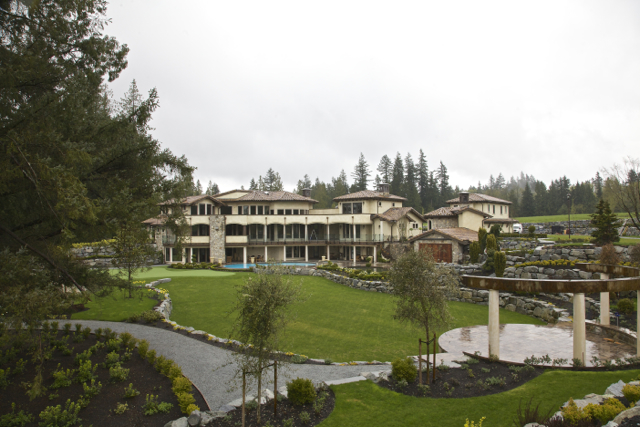
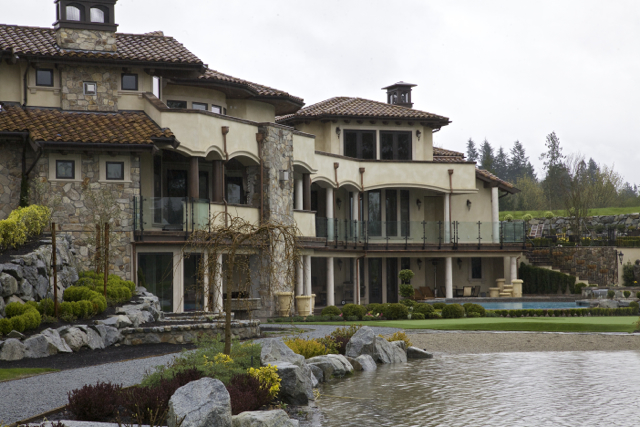
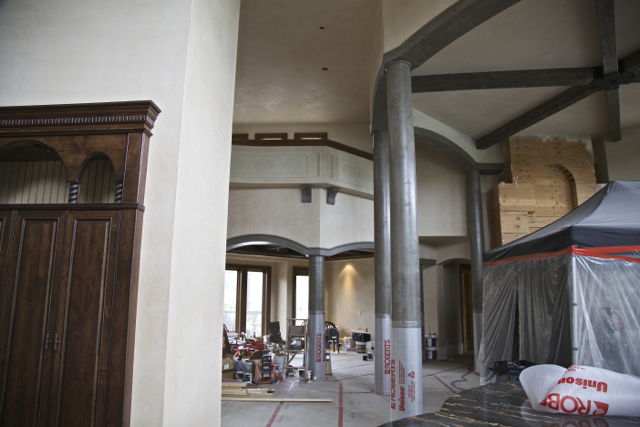
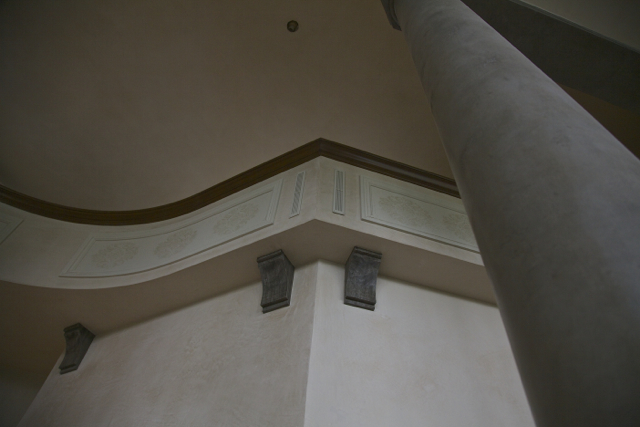
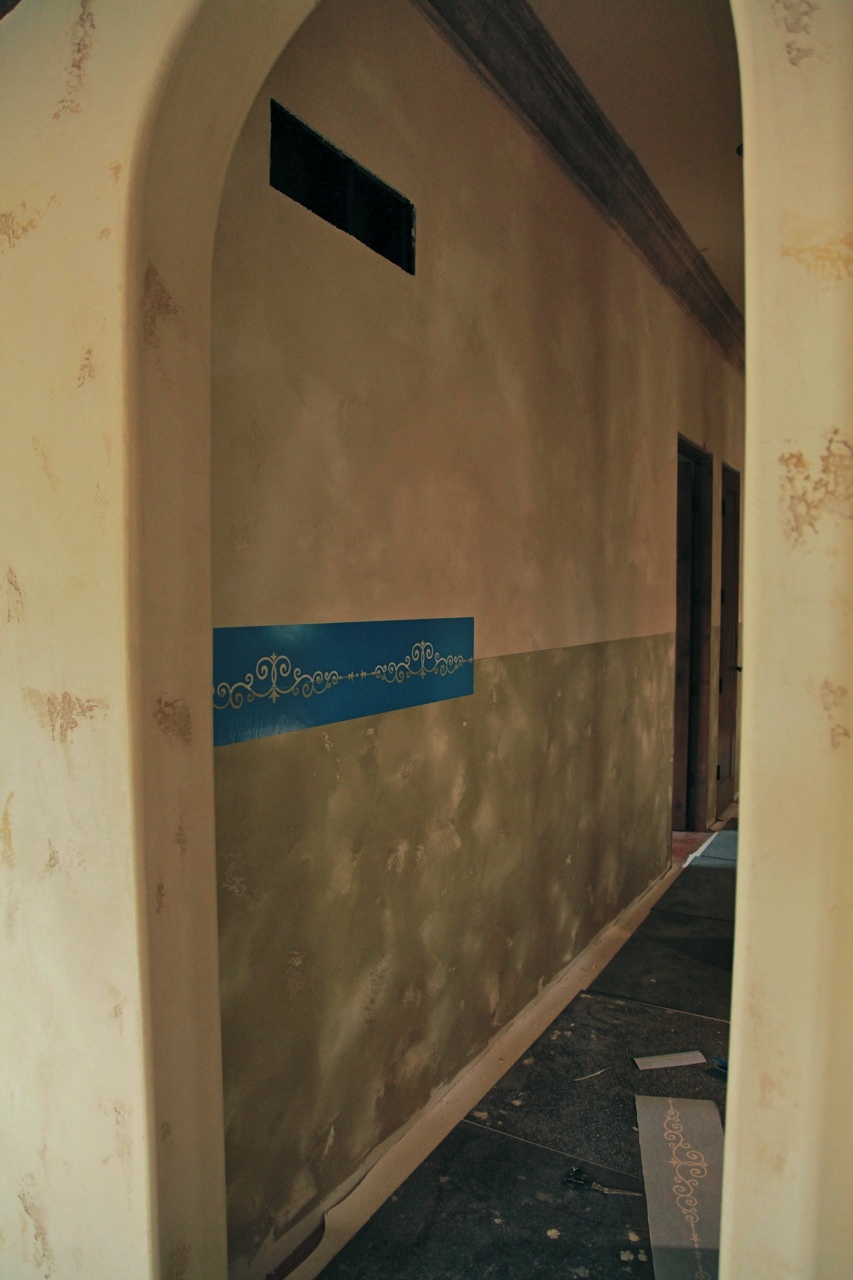
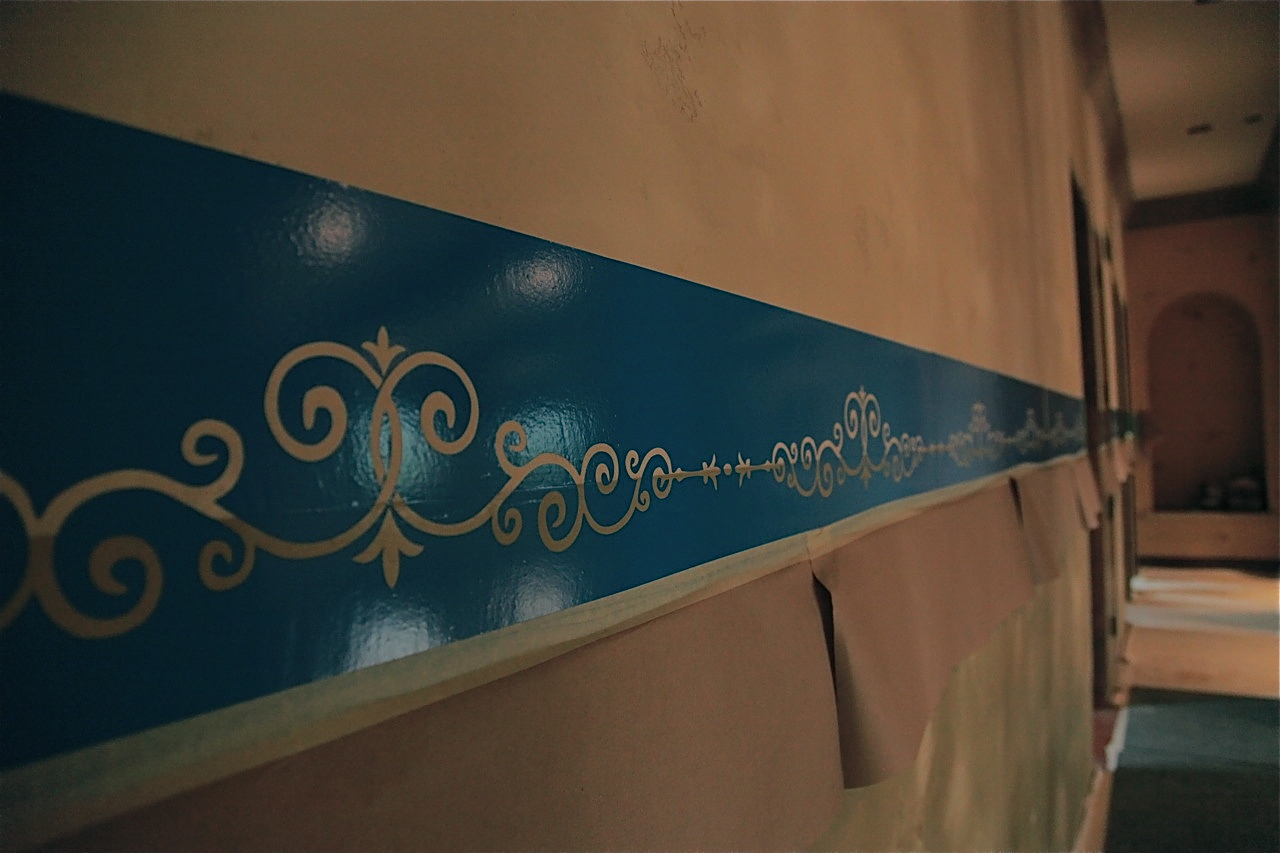
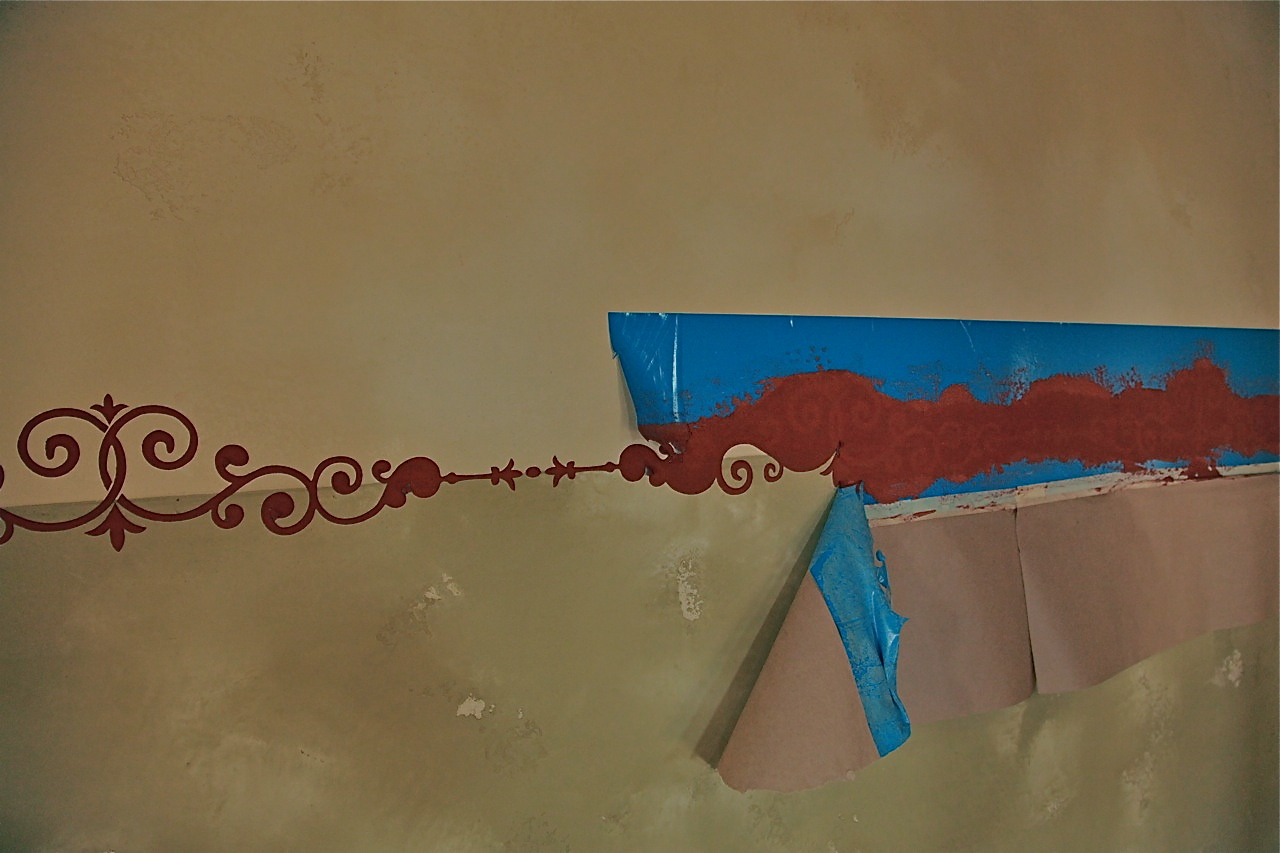
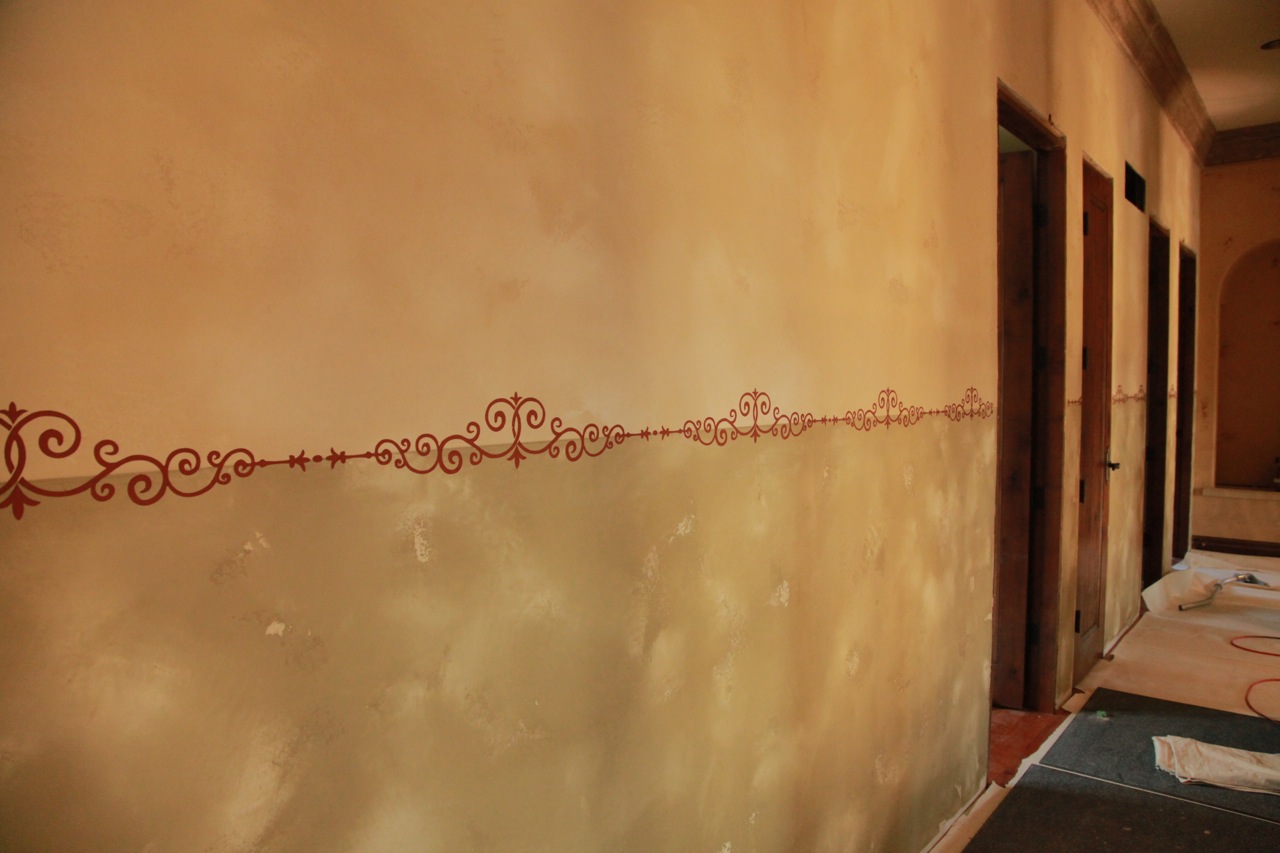
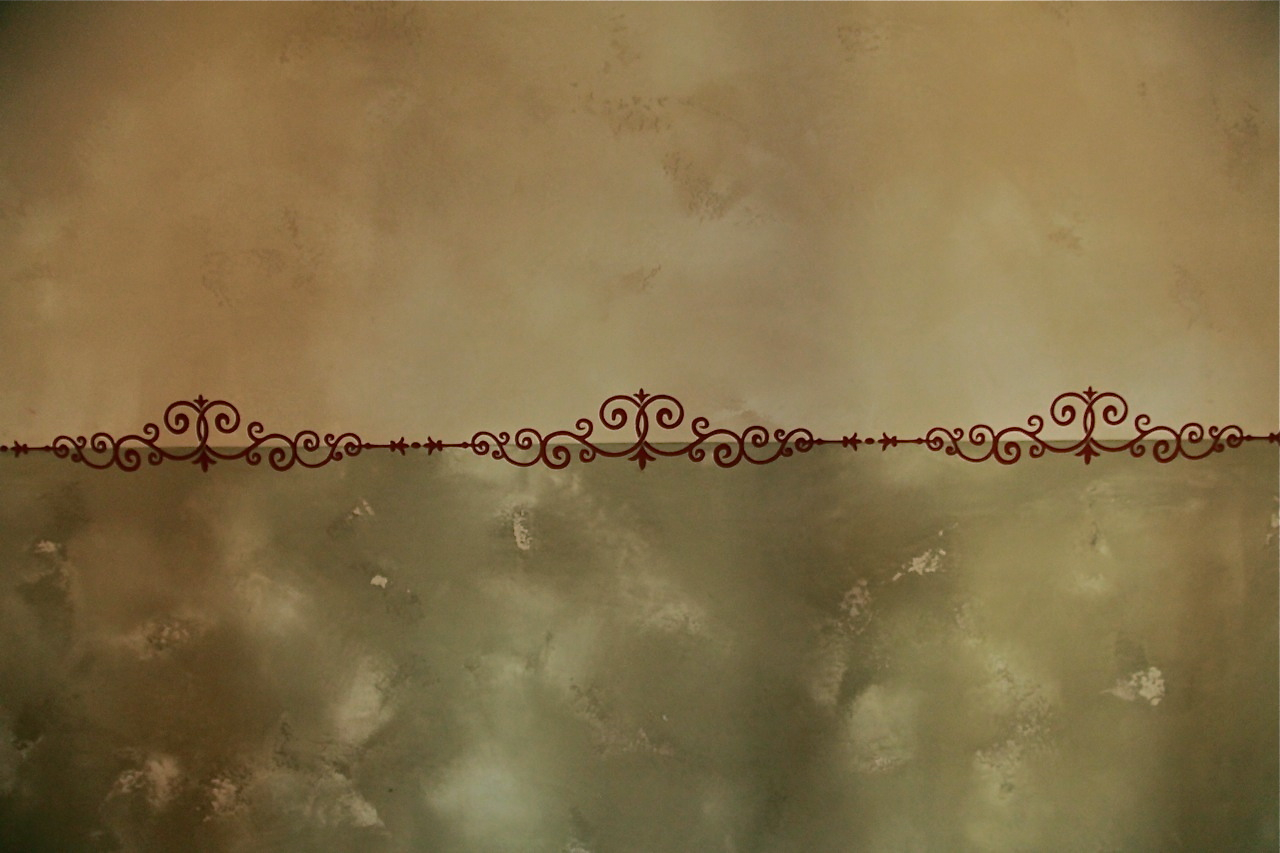
Over the summer I have been fortunate to work on a project in an Old World Italian Design Tuscan Villa. Breaking into my crate of techniques from WoodGrainingGoldLeafingVenetian Plastering, Lime Painting and Stencilling.   I have been challenged in ways that excite my mind and creativity, opening a new chapter in my life and the world I love to call Italian Plastering.

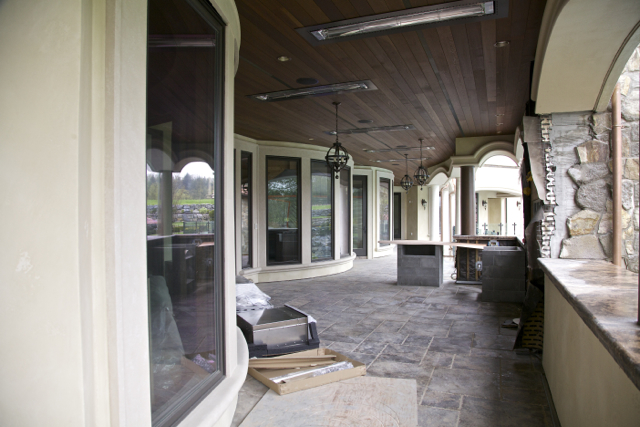
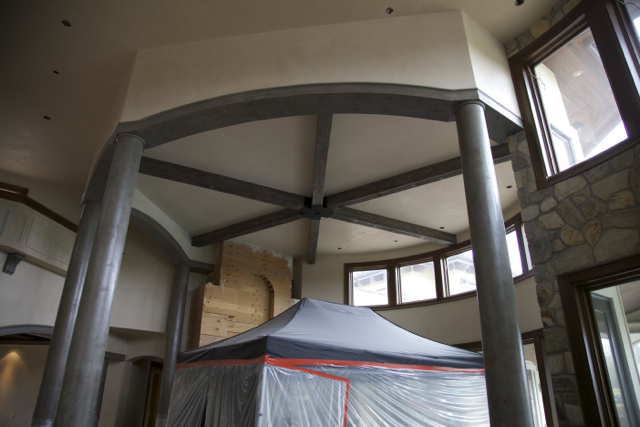
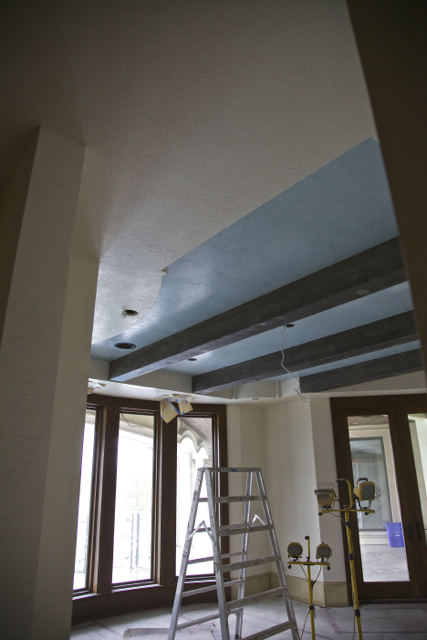
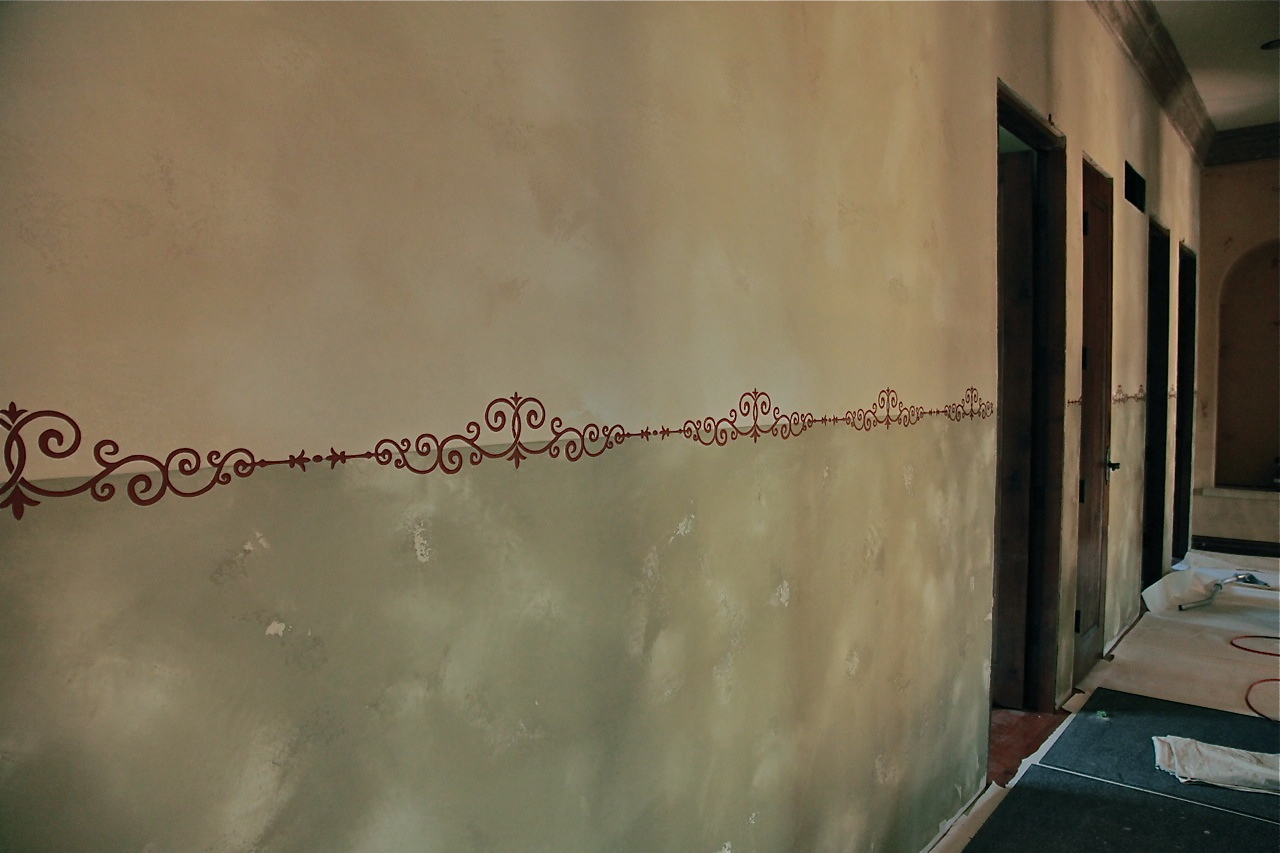
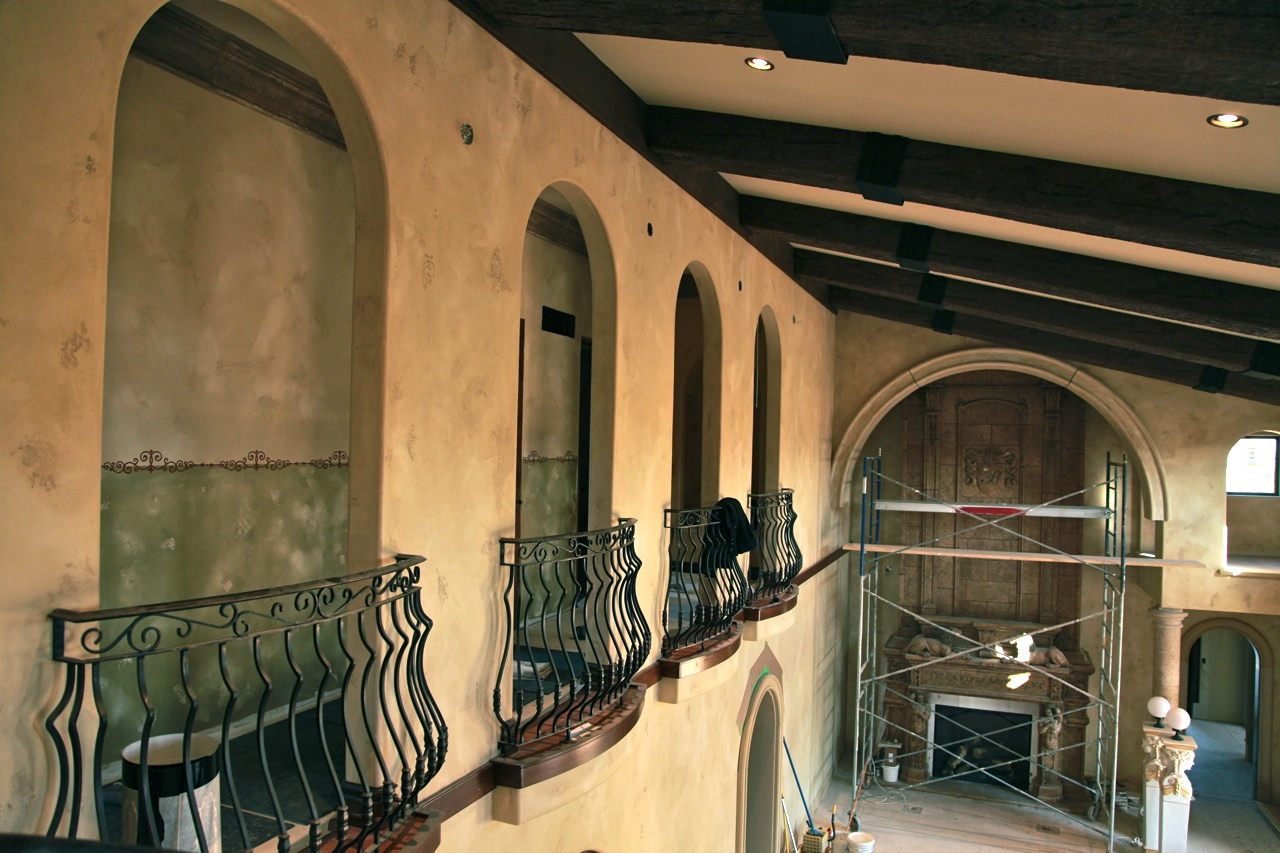
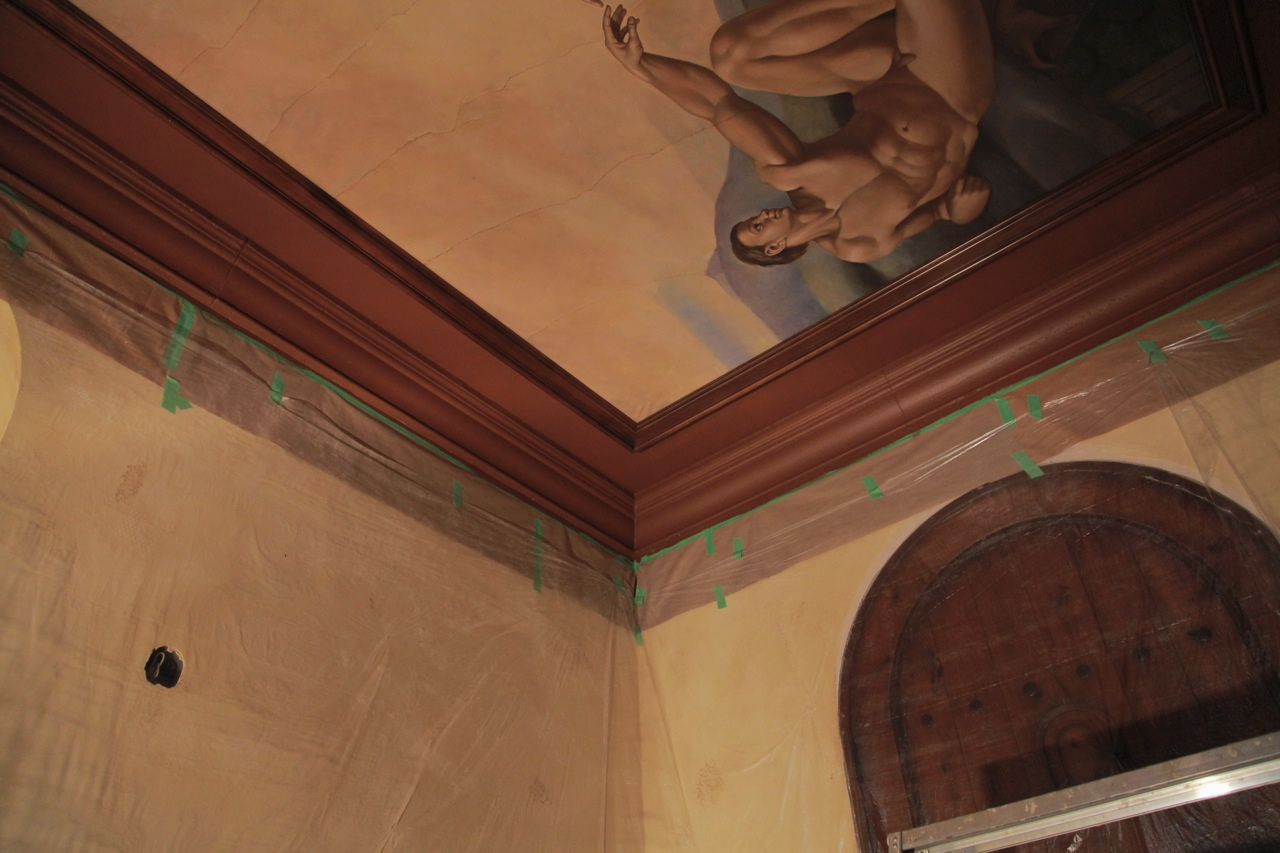
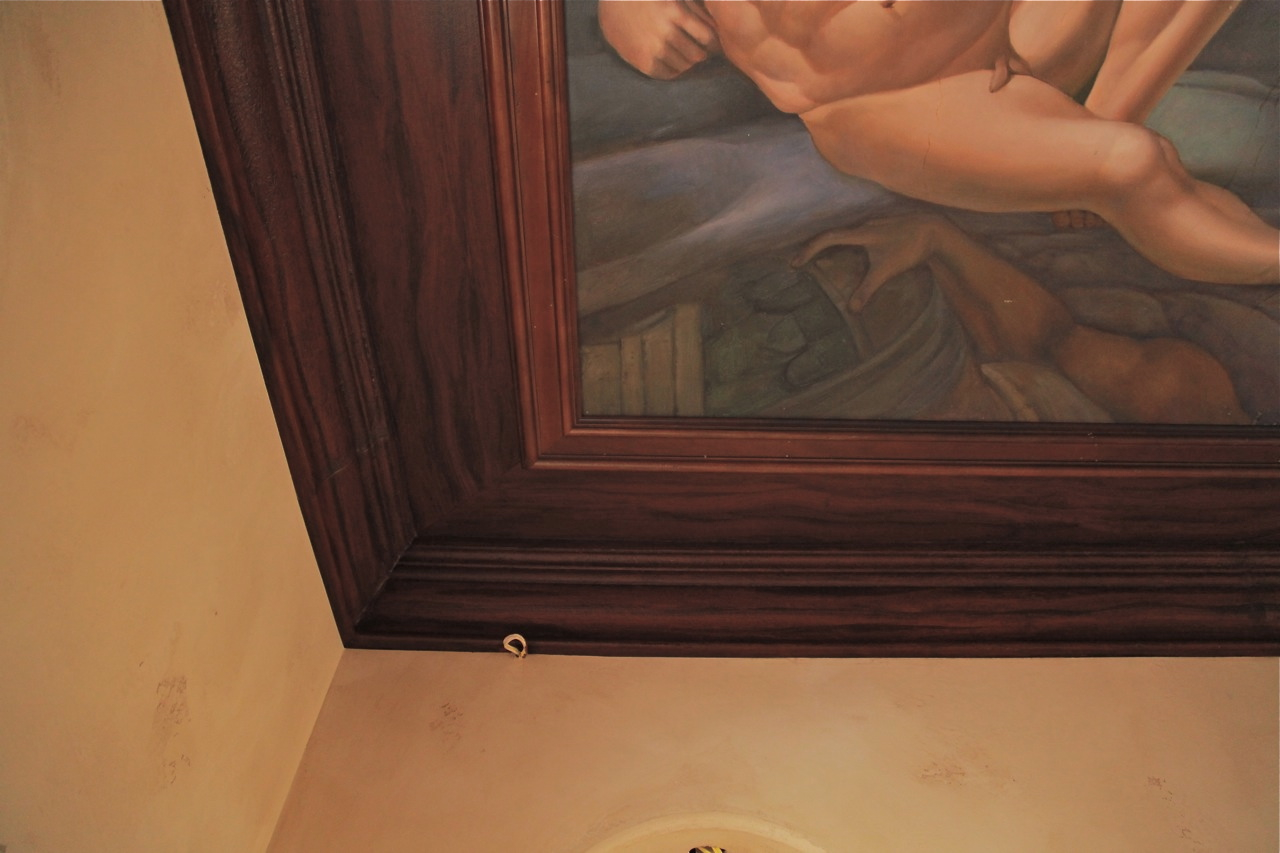
Here are some photos from this recent journey, the project is still in progress.

OldWorld Distress Exterior Wall

WoodGraining base coat

WoodGraining complete

Fibre Crown is a foam moulding used to simulate stone and in most situations is painted with acrylic paints.

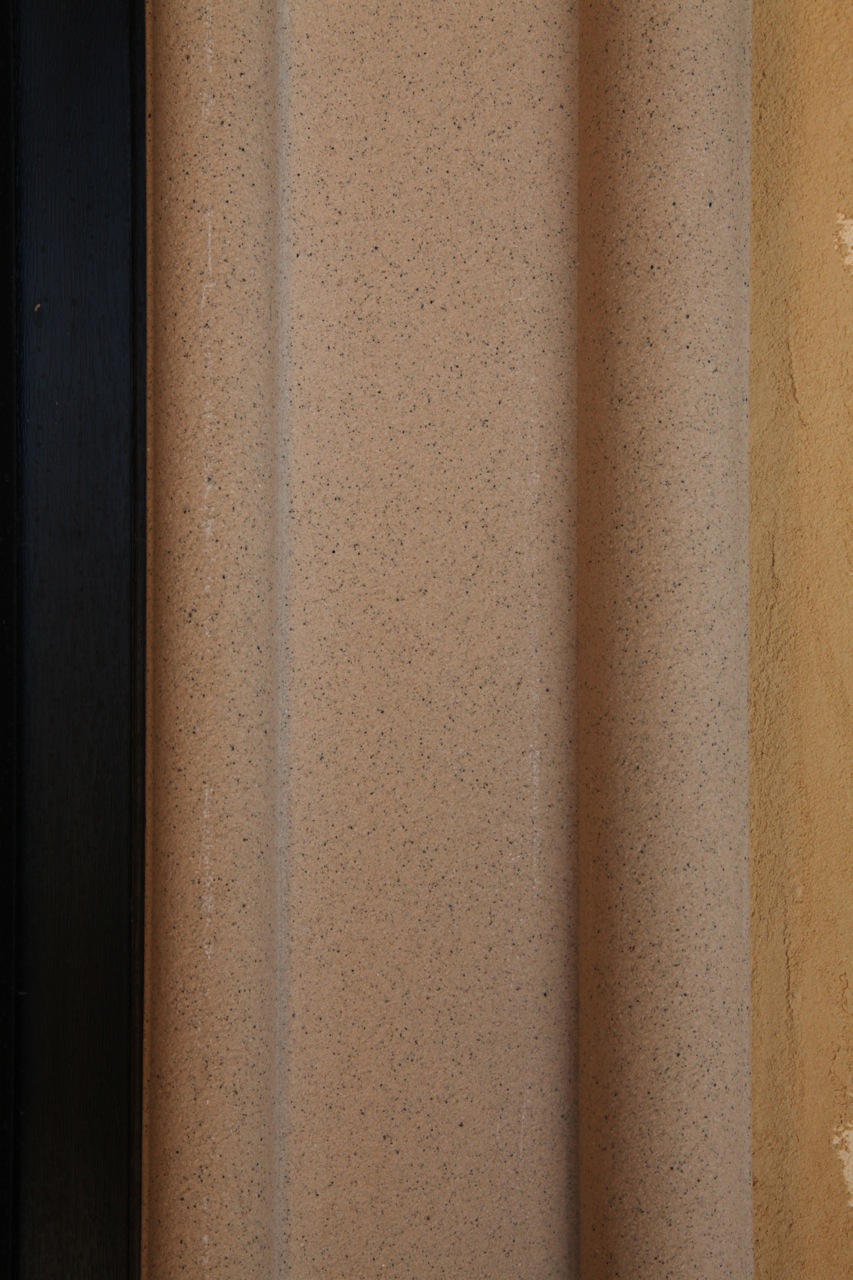
Here is a close up of the foam moulding

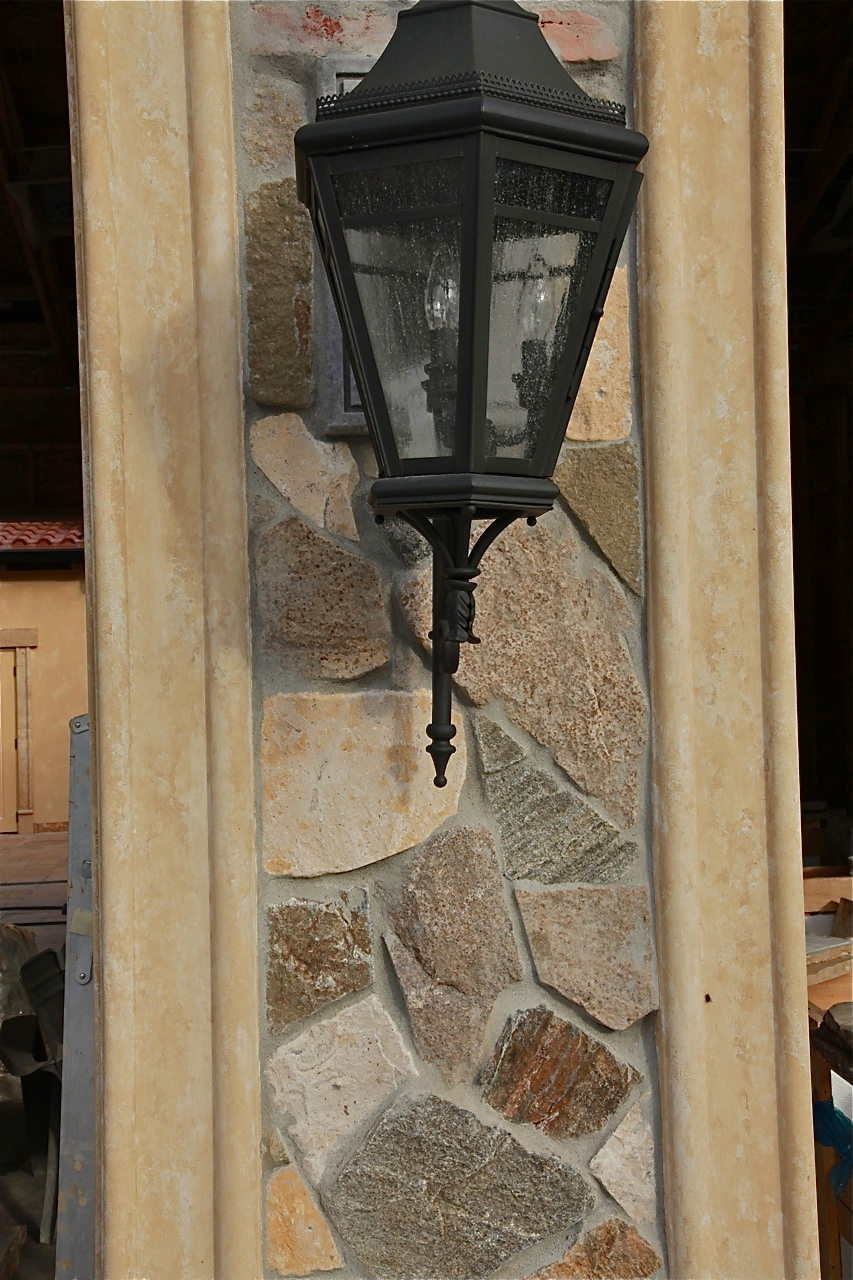
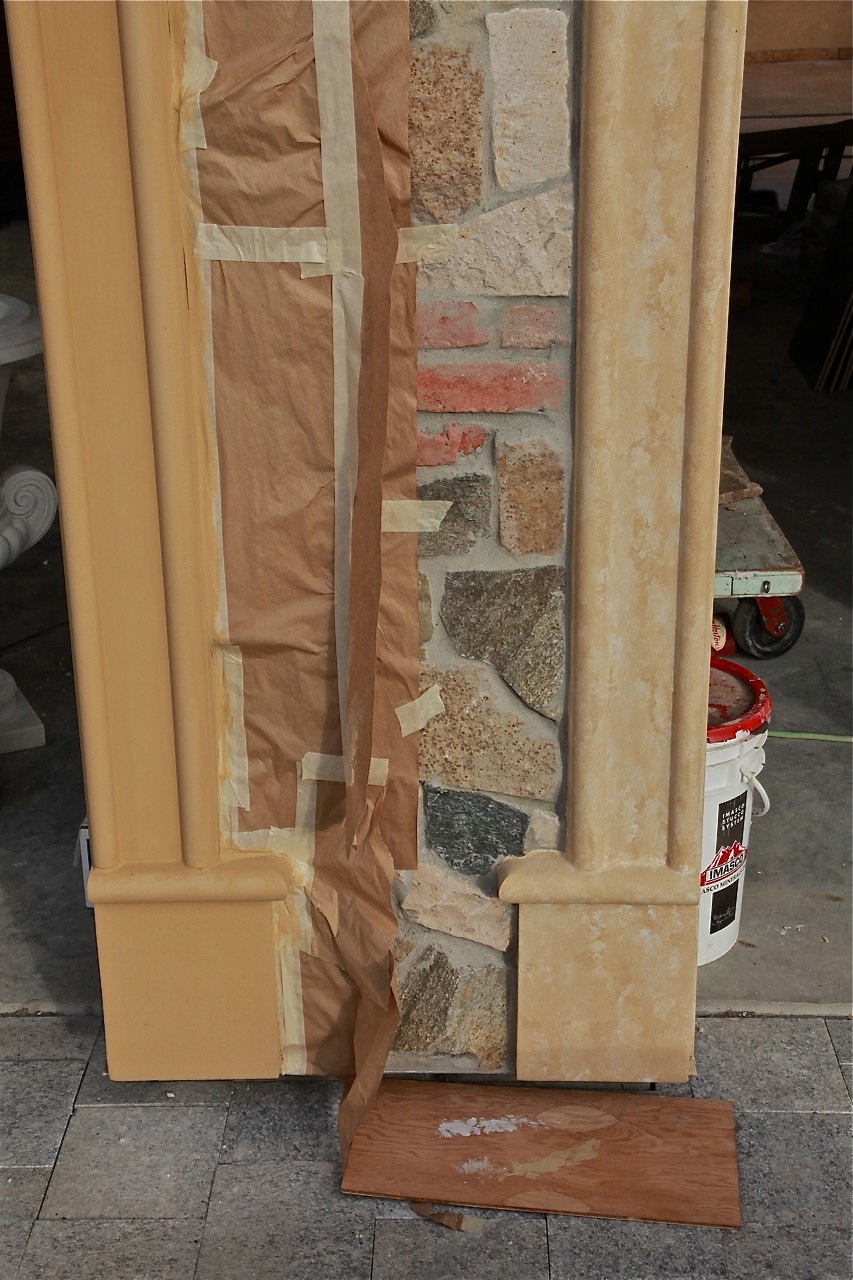
Lime Painted Fibre Crown Moulding To Simulate The Look Of LimeStone

Fibre crown molding Lime stone 2 before & After

[Post to Twitter]  [Post to Delicious]  [Post to Digg]  [Post to Facebook]  [Post to StumbleUpon] 

Darrell Gets A New Toy

Recently, I finally got the tool I’ve been wanting to add to my company’s arsenal — a 12-colour carousel tinting machine.

You’re likely saying “A what?”

When I Say “Any Colour”, I mean It More Than Ever

For years, I’ve been creating custom colours. Many times, I’ve been unsuccessful because of technicalities, like not having proper colours available to me or a way to distribute them evenly or quickly among all the products I needed to mix to get the job done and done well.

Stuck working with these technicalities, a lot of my colours were found in one part of the colour spectrum — browns or tans, and even beiges now and then.

With the size of new lime-plaster interior projects and the new direction I’d like to take my Venetian plaster work in, I knew the time was right to get this tool that would make the difference in meeting my standards on a large scale.

As an example, I’m currently working on a 10,000 square-foot Intonachino lime-plaster interior. With so much surface to cover, the client is having a hard time choosing the perfect colour. We’re close, so they now only want slight shifts in shade and/or hue. (How are “shade” and “hue” different? Learn more by following this link.)

Picky? Not at all. Like me, they know job satisfaction is all about the details.

I’ve now taken great care to create 20 different colours for this project. That’s a bit of an extreme for any project, maybe, but you have to live with the colour long after I’m gone, and we need to get it right. I won’t get upset or rush you for a colour at the beginning of a project, because preparation and work can begin while we take the time to do the right things to help you come to a decision you literally can live with.

This tint machine makes my life easier and helps me live up to my dedication to getting you a a truly livable colour for your environment. Now, at any point in time, I can change a colour’s direction. You want a 25% lighter shade? Okay, not a problem. We don’t need a paint-shop pro or a chemist to guess it out. Let’s get that done ourselves — between you and me, and save ourselves a lot of headache and reduce wasted materials in the process.

Breaking It Down:

◦                                  Whatever your favourite material – Tadelakt, Intonachino, Carrara or Classic — I have full control over the colour and tint of the end-product.

◦                                  Your money gets saved because I’m not wasting materials or gambling on a factory’s ability to get those pallets of lime plaster tinted just the right way.

You want it lighter? Darker? I can change that on a dime now, so you get what you want when you want it. Hue by hue, shade by shade, we’ll nail the colour of your dreams.

[Post to Twitter]  [Post to Delicious]  [Post to Digg]  [Post to Facebook]  [Post to StumbleUpon] 

Wood Graining For Baseboards, Crown Mouldings And Ceilings

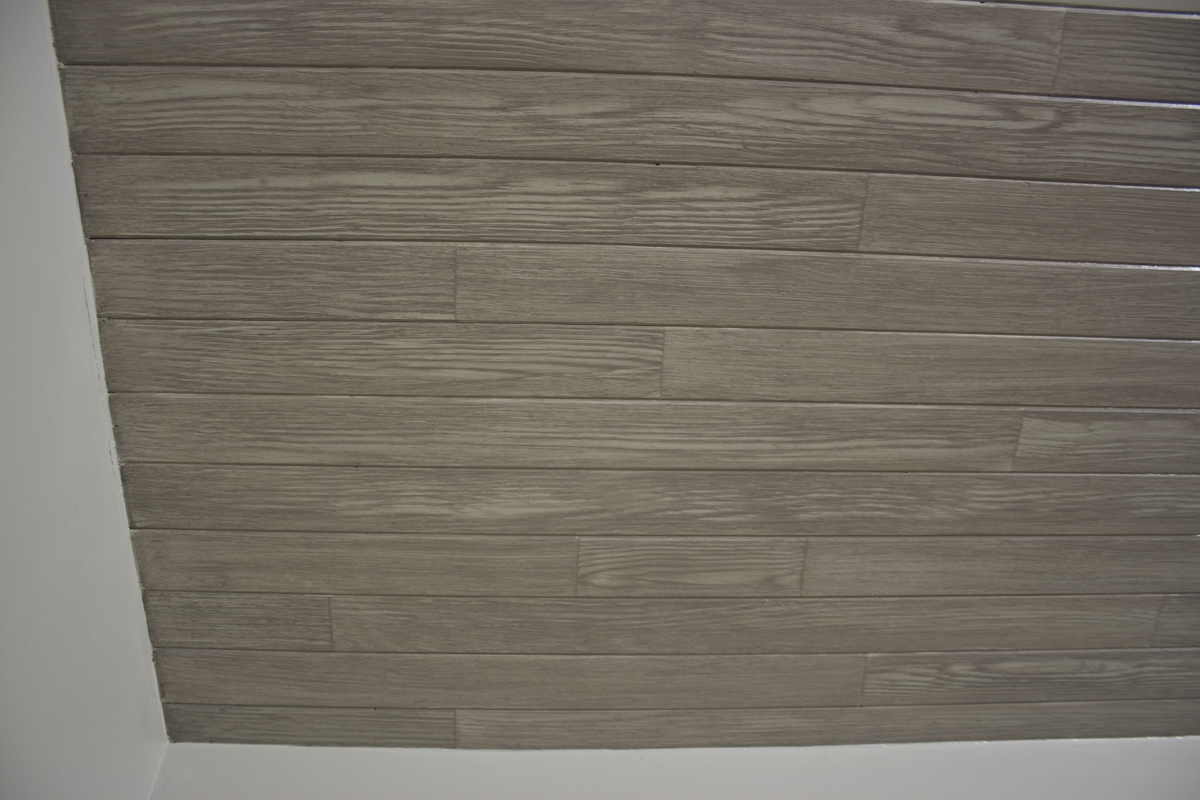
So why would you want to use wood graining on your project? Lets start with the creativity, being able to control the colours and style of wood your looking to get is much easier when its created by hand, id say that’s a big asset. Next would be its Eco-friendly no need to replace any existing wood or if your building a new home MDF (medium density fiber board) is a great option as its cheaper to buy then real wood and saves the environment from another tree cut down. The 1st picture is a sample I created for an upcoming project the client loved it so much they have decided to d0 3000 liner ft. the cost savings is amazing and leaves room for lots of creativity. I will be sure to write a blog post about it once the project starts.

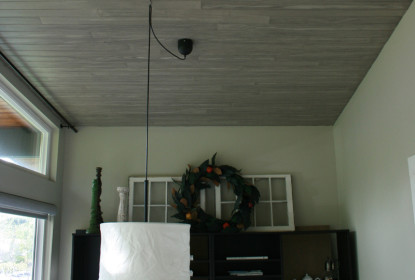
Now back to the ceiling, this home had that old school west coast style with the cedar ceiling from the exterior spanning all the way into the living room it looked great but the colour was way to orange and this client wanted to go more restoration hardware style. So I went to the drawing board and this is what I came up with. Painting the ceiling out in a solid colour was a great start then an idea hit me I want to make the ceiling look like a hardwood floor with different size pieces of board well lets say great idea TON of work, take a look closely at the pictures and you can see how the joints look natural and the wood flows as it should.

Conclusion Many considerations need to be taken in before starting a project like this, remember that wood is a natural thing it would not come in 20 ft lengths (in most situations) try to keep it simple avoid using more than 3 colours as the more you use it adds to the cost$$ think shading. I hope you have enjoyed my post and hey leave some comments I will answer questions.

[Post to Twitter]  [Post to Delicious]  [Post to Digg]  [Post to Facebook]  [Post to StumbleUpon]