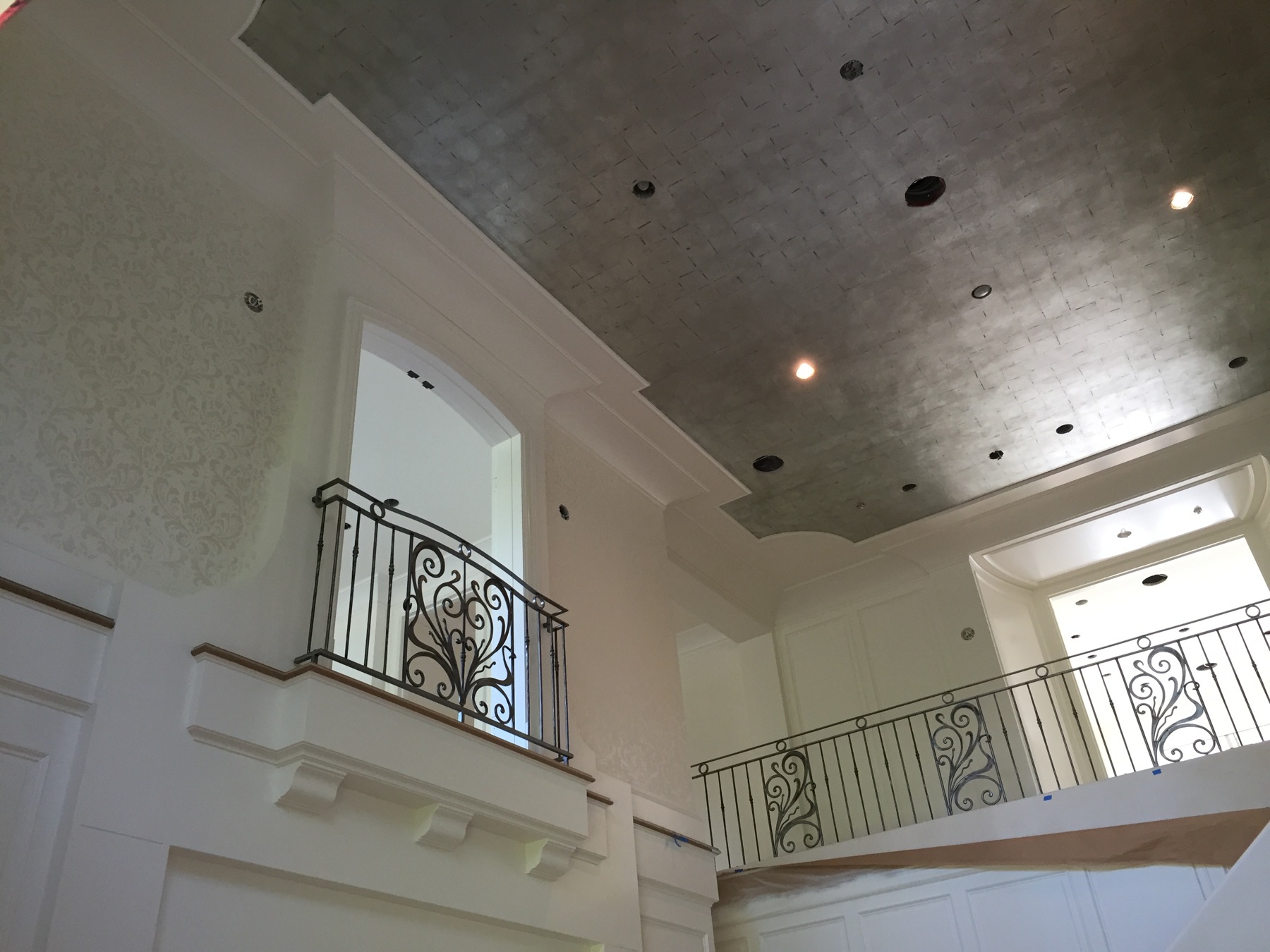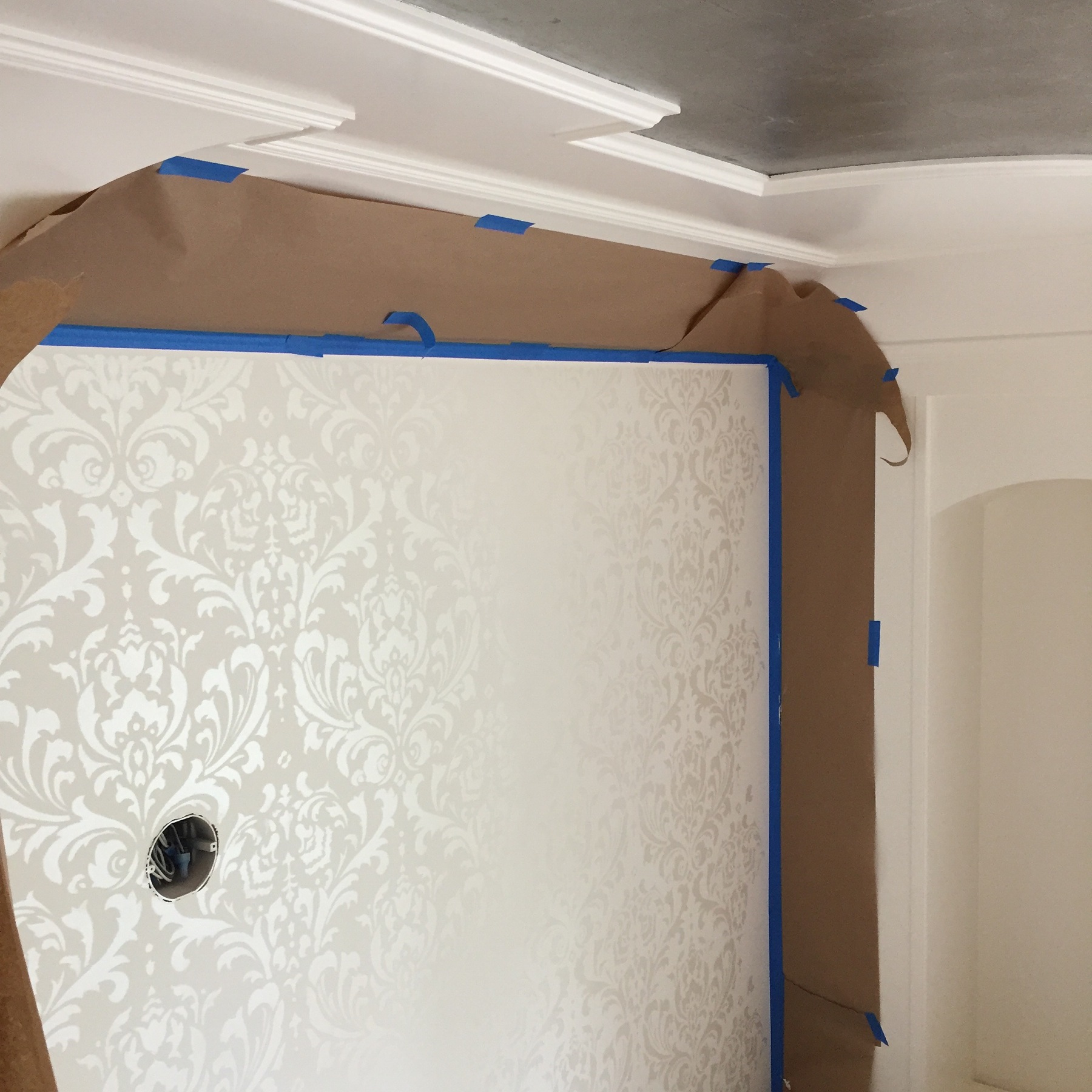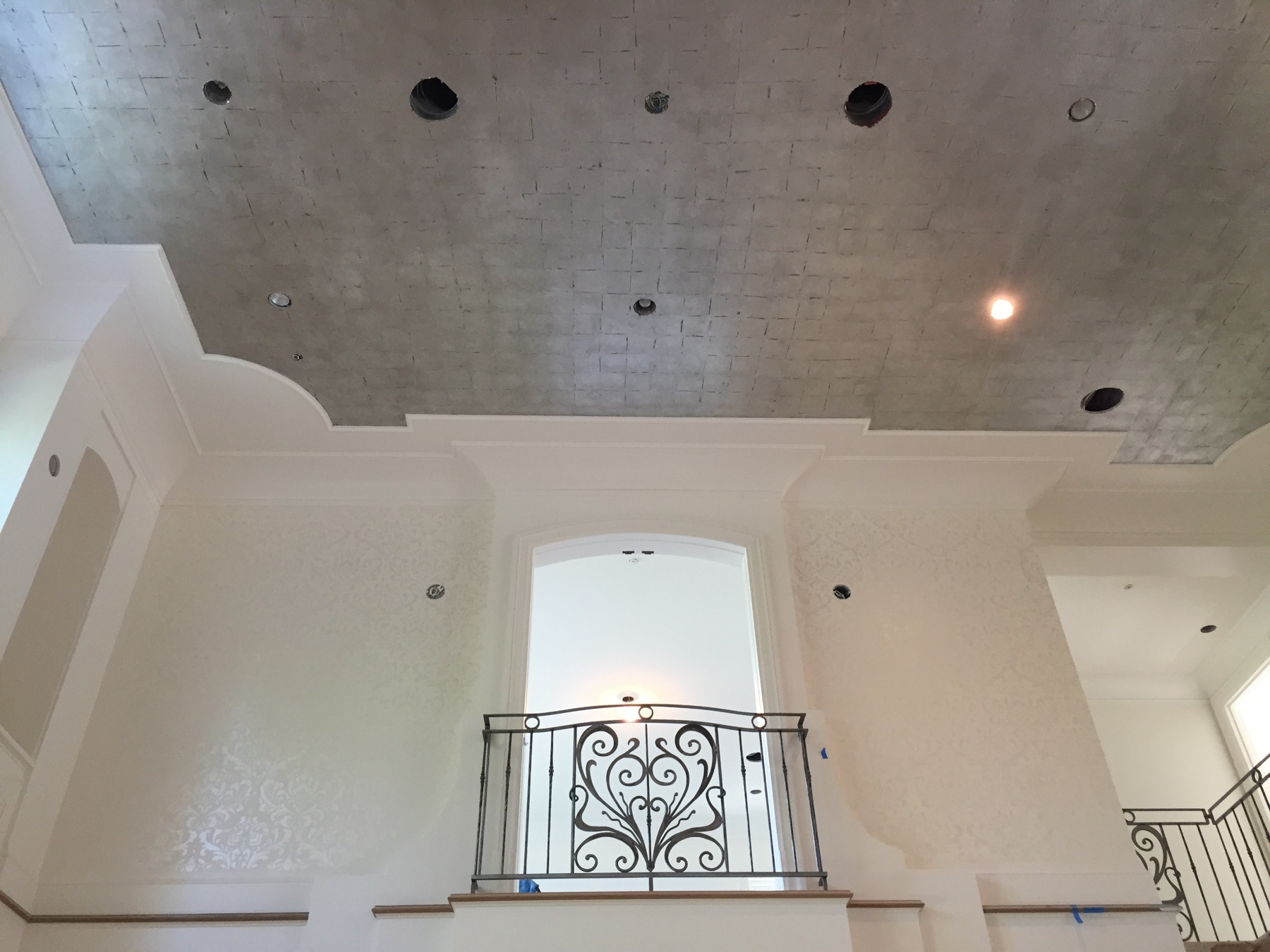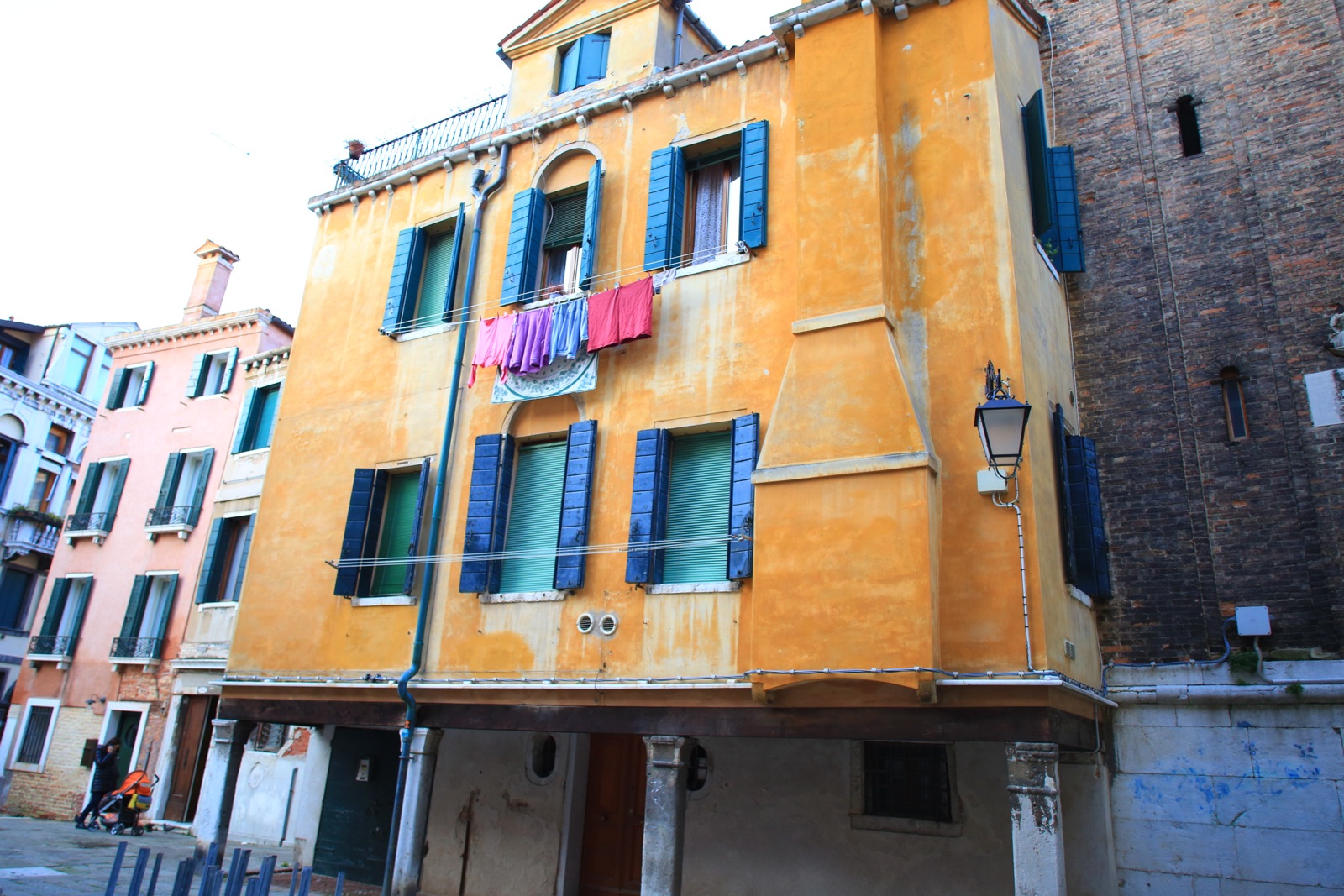
Italian Lime Plaster Full Exterior

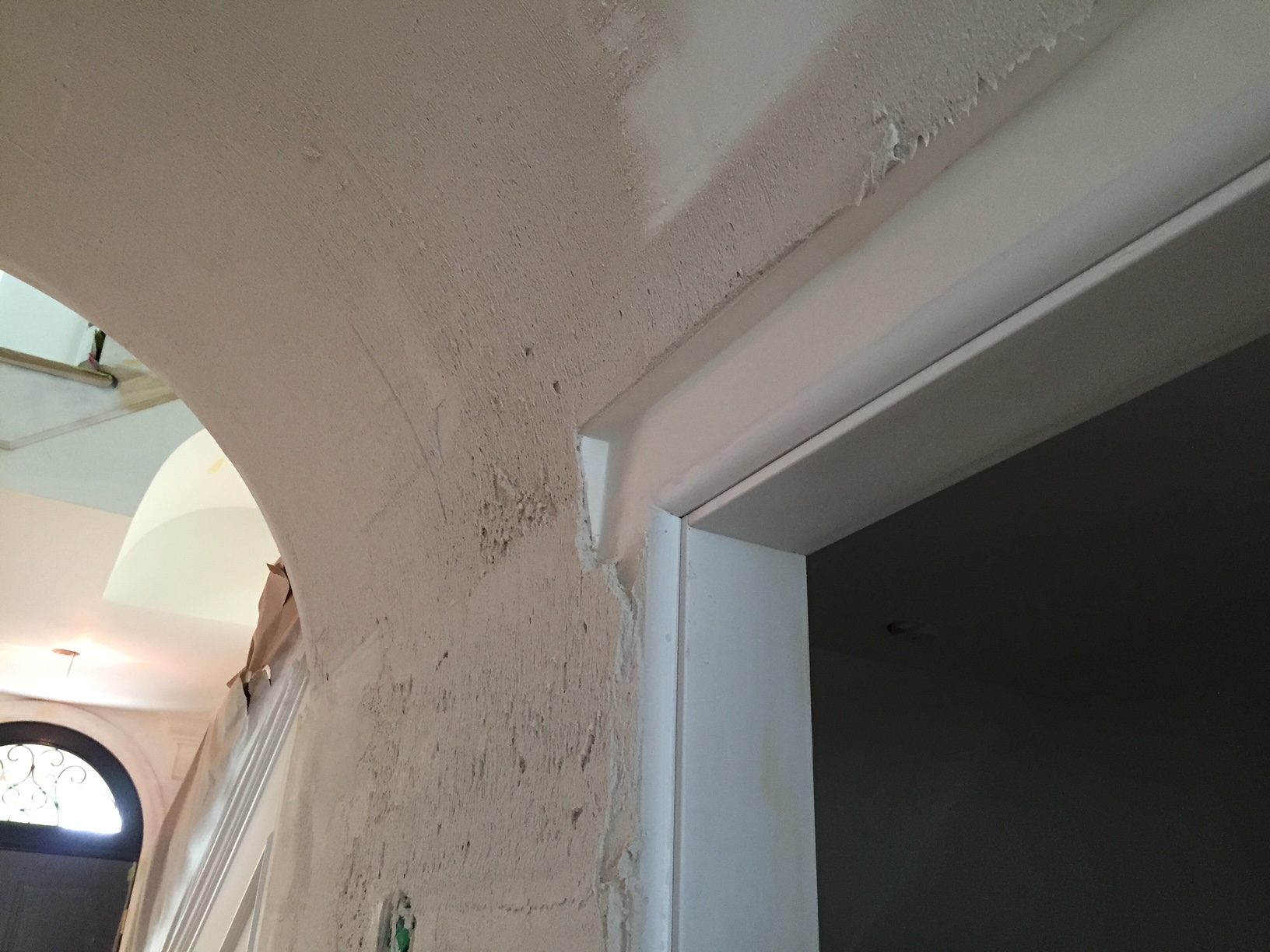
Its not everyday your dreams come true, this week for me they did. I have been dreaming of lime plastering this house for quite sometime and starting June 1st I get to do just that.

before

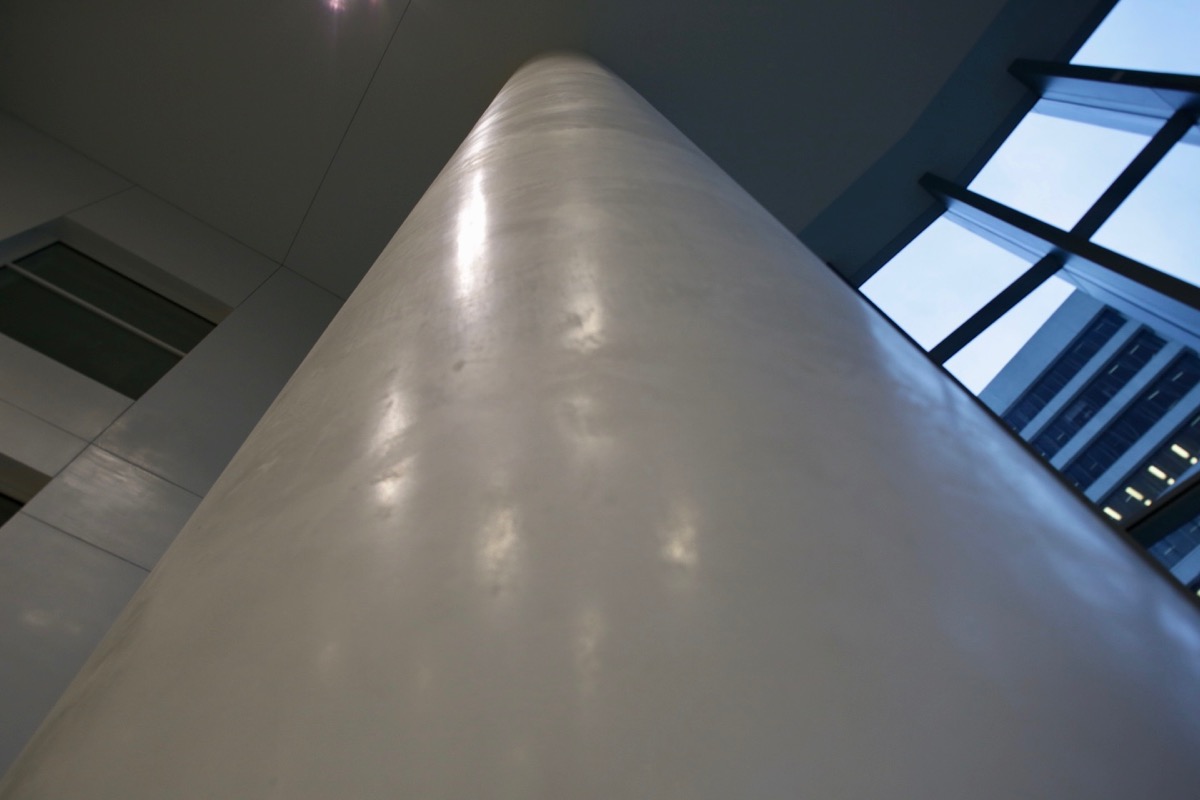
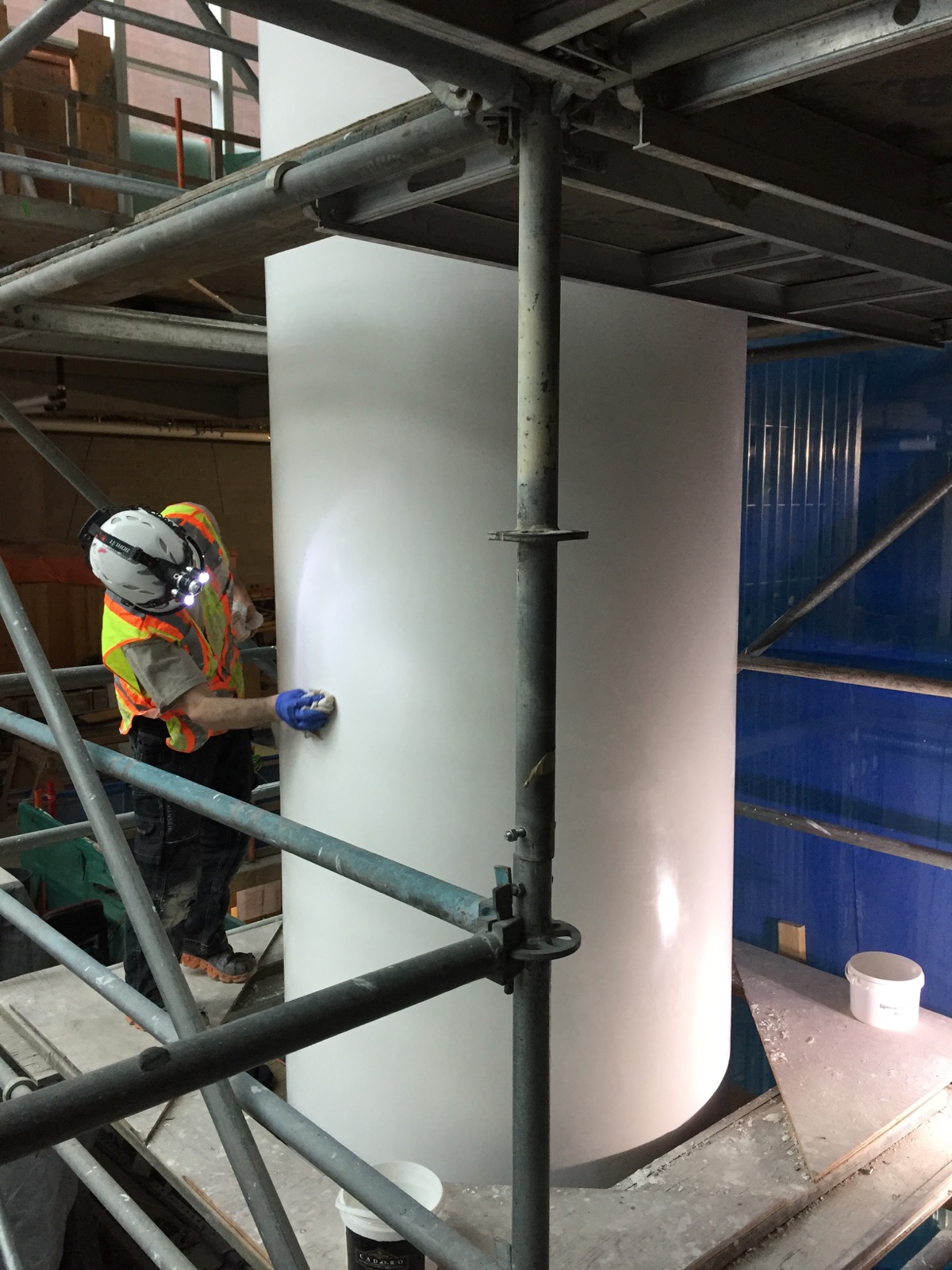
Not only are we Lime plastering this entire Tuscan villa, we also will be applying Tadelakt Lime plaster to all the columns and Lime painting all the fiber crown trim and moulding details of the full exterior. This home is going from new to old in a matter of a few months.

Be sure to check back in the coming weeks as this Italian lime plaster exterior unfolds

[Post to Twitter]  [Post to Delicious]  [Post to Digg]  [Post to Facebook]  [Post to StumbleUpon] 

Venetian Plaster Vancouver : “The Process, The Projects”

The process, the projects, the finished product: This is an inside look into how I create my Venetian plaster projects, making them come alive.

In this video, you’ll see steps used to create my Venetian plaster projects, including completed project photos of Classic, Carrara, Intonachino and Tadelakt plaster applications.

When it comes to my projects, it’s Stucco Italiano Italian lime plaster that is my one and only choice, and I think this video shows you why. When you think interior stucco think Authentic lime based Venetian plaster.

[Post to Twitter]  [Post to Delicious]  [Post to Digg]  [Post to Facebook]  [Post to StumbleUpon] 

Venetian Plaster Commercial Interior Design

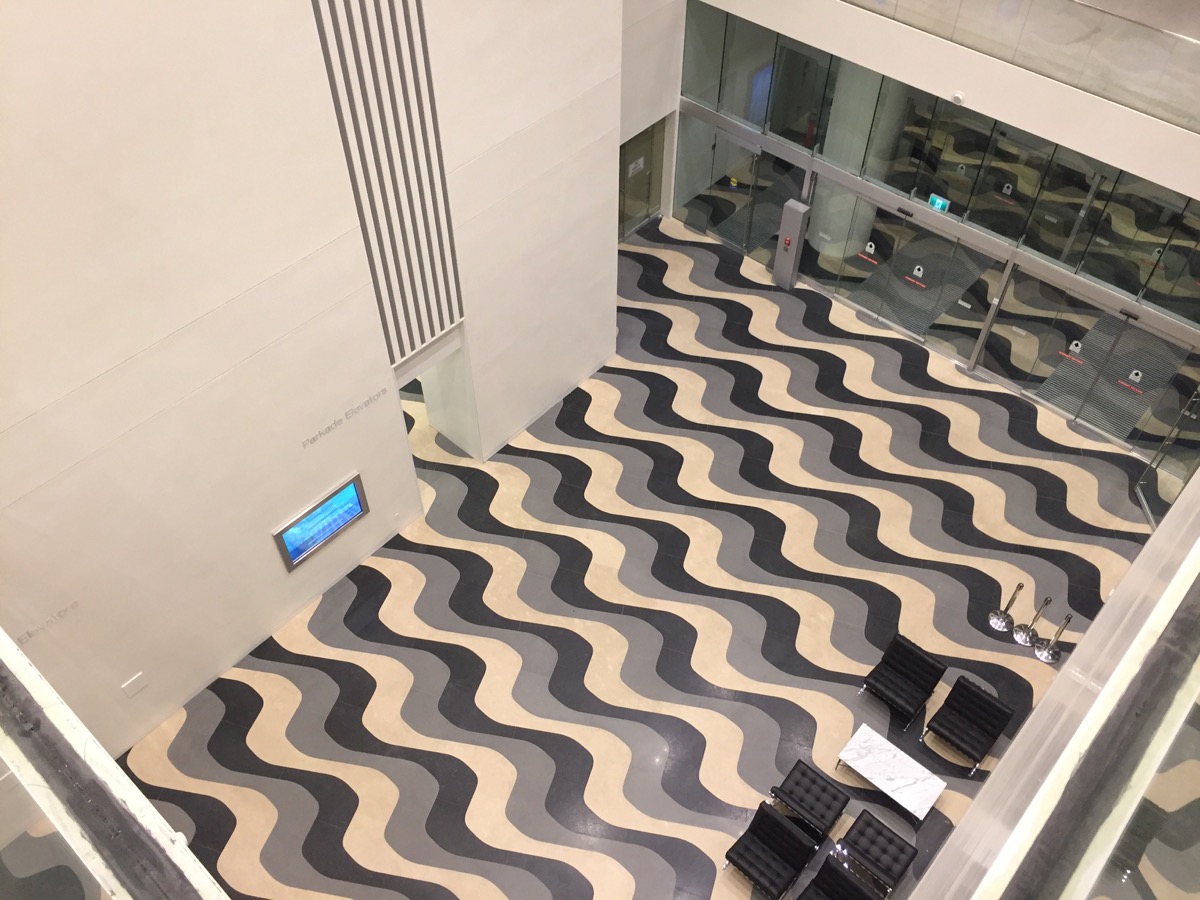
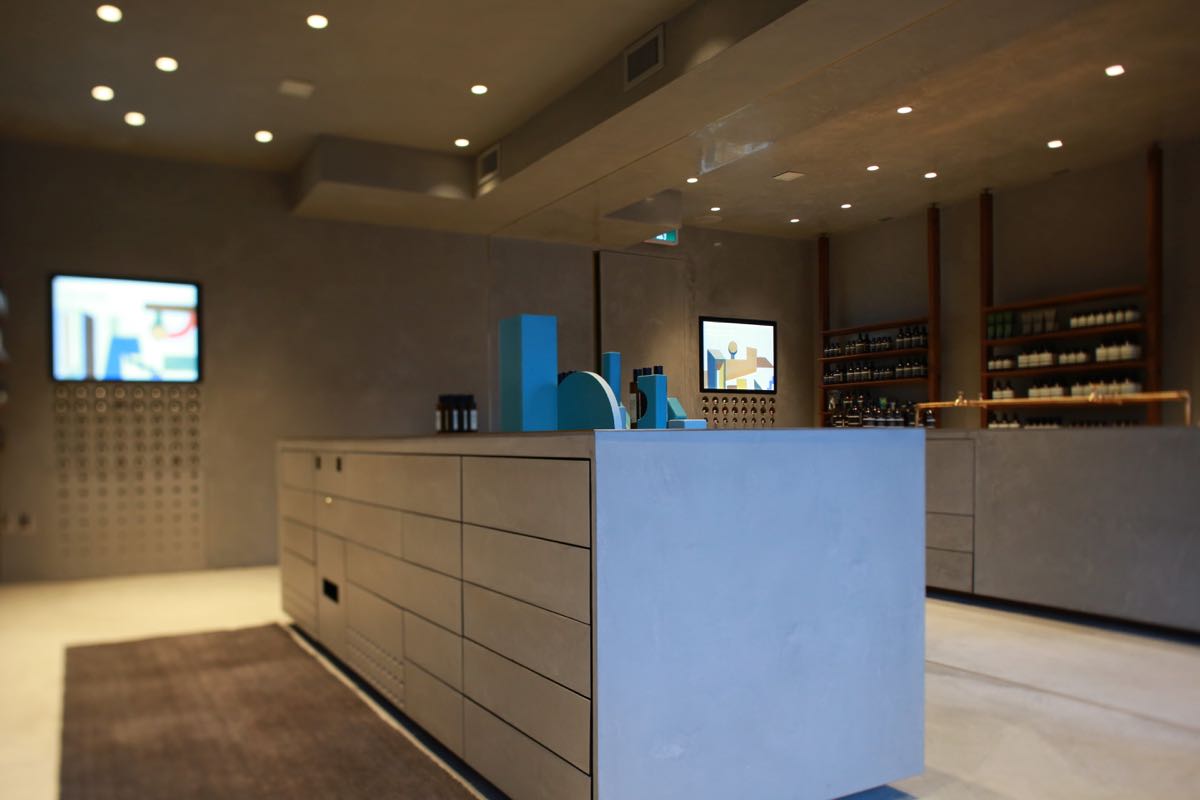
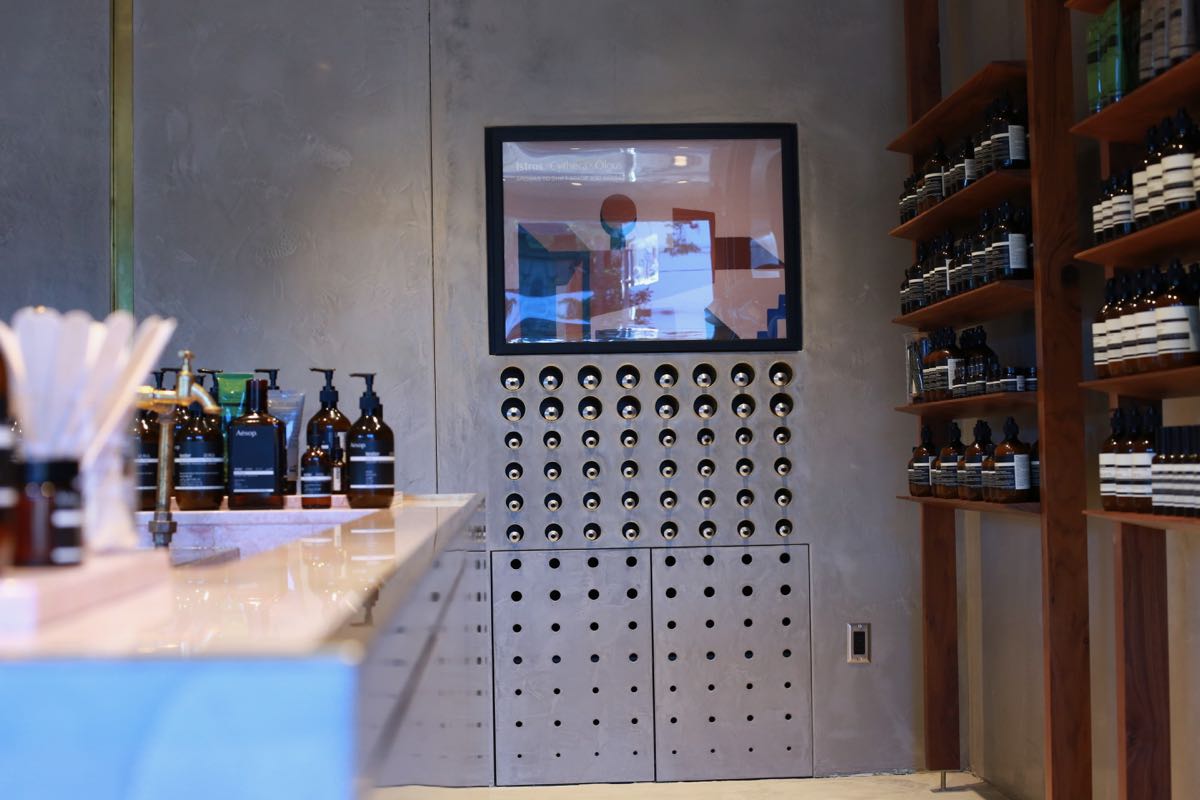
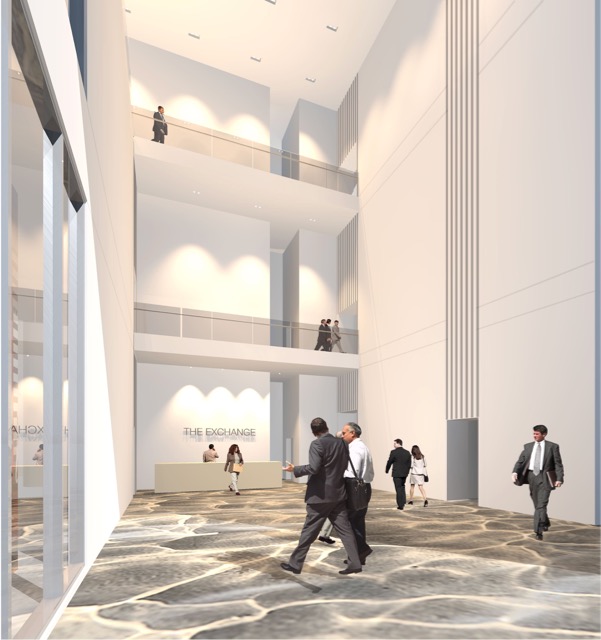
16,000 square feet of Classic Venetian plaster was used to turn the walls at “The Grandview Business Center” Located in Morgan Crossing South Surrey, BC into a major conversation piece.  Its not often you get approached to do a full interior Italian Lime plaster in a Commercial setting.  Why you ask would you want to choose a venetian plaster finish for a commercial space?

Why Lime Plaster


-Lime Plaster  has vertually no VOC’s making a pleasant enviroment to work in and be around

-Stronger than drywall and paint finishes Venetian plaster will hide scuffs marks and abrasions

-Endless possibilities of texture and sheen

-Most damage is easily repaired

-Seamless finish from start to finish only stopping in corners.

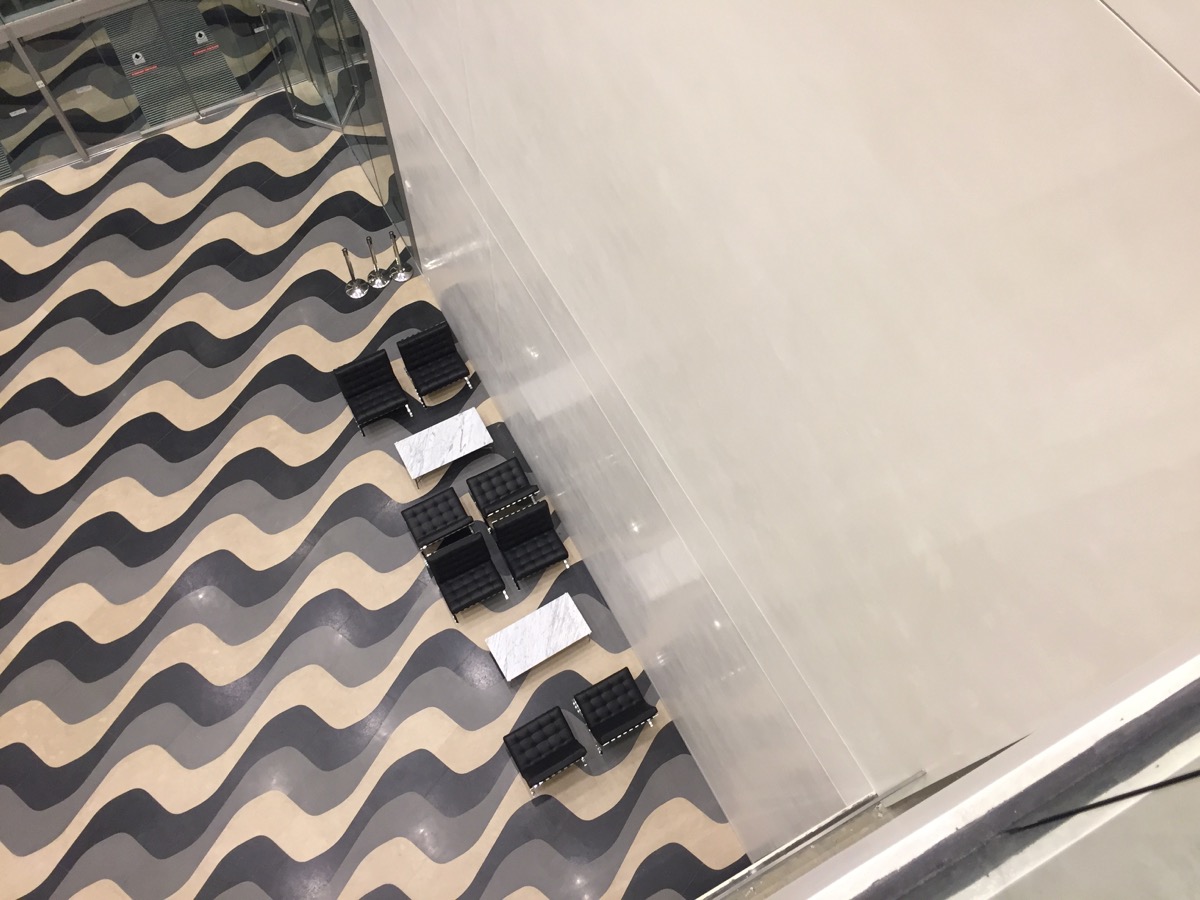
Here are some photos of this recent full interior Venetian Lime Plaster

[Post to Twitter]  [Post to Delicious]  [Post to Digg]  [Post to Facebook]  [Post to StumbleUpon] 

Venetian Plaster In Modern Setting

Venetian Plaster has always been used in Old-World settings like Tuscan Villas, for me though its been a slow start into the Modern realm.

Modern with its clean lines, simple colours and large windows do not usually call for a distressed Old World Tuscan plaster. In 2011 we had two installs of significant modern interior design stature. Keeping to the lighter side of the colour pallet we used a beautiful sand taupe. Here is one of the projects.

What makes me always go back to Venetian plaster is the fact it can be so many sheen’s, from matte to high polish and everywhere in between, its a timeless plaster finish that I will continue to offer in my portfolio.

The Before

With so many colours and finishes to choose from and durability that is far superior to any paint finish, Venetian plaster will be found in Modern and Tuscan homes more and more as the years progress.

[Post to Twitter]  [Post to Delicious]  [Post to Digg]  [Post to Facebook]  [Post to StumbleUpon] 

Venetian Plaster Barrel Deep Ocean-Blue

Well, we’re already three weeks into our massive Italian lime plaster commercial project in South Surrey, BC.

As you can imagine, a lot of work is going on around us on the project every day, so while we’re trying to keep productivity at a maximum, we also have to keep trade damage to our work at a minimum.

This week, focus has been on the main floor’s lobby, the corridors, ceilings, and that awesome barrel ceiling covered in Venetian plaster.

It’s a big challenge, a ceiling like that, but to know me is to know I love my job.

Everyone around me knows how much I dig the challenges and the change that come from project to project. My passion for what I do and for getting my clients what they want is what makes my work so successful.

This one’s got even more challenges, and people to satisfy, than anything I’ve done because it’s the largest project I’ve ever worked on, and I hope it proves I belong on both the artisan and big commercial side of plastering.

But what do you think? Here, take a look at how things are coming along.

This barrel ceiling’s a huge focal point, so I took extra care and due diligence, as it’s a heavy use area and we want it looking as fantastic years from now as it does opening day.

To get there, I started off by applying a two-coat Intonachino Lime plaster finish, and closed it up with a buffed super-smooth finish.

When you’re talking a “true” Venetian plaster, it’s actually a very thin finish. It can be somewhat delicate, and that’s something to consider on a project like this versus, say, a large home for a family of four. Given the massive building size, and the likelihood of foundation settling over coming months or years, I wanted a thicker plaster, just in case the building shifts any or nails decide to move any, and that extra coverage (and more work) should ensure longevity.

Craziness, I know, but it’s better safe than sorry, and it’s easier to do the job thoroughly the first time than to fix any problems a year or five years down the line.

Make sure your craftsmen don’t just think about how your job looks the day you have to sign the last check. You want them thinking about how that space will work for you over the coming years. Have that conversation with them, if you’re not sure they’re thinking in those terms — because they should be.

Look at this colour depth! This is what happens when I really push the envelope on the “maximum tint allowance” per bucket. Pay-off!

“Wax-on, wax-off.” Laying down the layers, pic by pic:


The end result? A stunning shiny show-stopper.

In this instance, it’s really a labour of love. It’s nine steps from start to finish — a lot of prepping, buffing, and grunt-work. There’s no easy way out on this one, it’s all about pushing through the burn thats the true nature of real venetian plaster.

At the end, all you see is how great it looks, and that’s okay with me.

Cheers,
Darrell Morrison.

[Post to Twitter]  [Post to Delicious]  [Post to Digg]  [Post to Facebook]  [Post to StumbleUpon] 

Lime Plaster In a Tuscan Style Villa

Lime plaster has been my choice of material for almost a decade now. Recently someone told me it takes 10,000 hours to become proficient at any trade whether it be carpentry, framing or even a stone mason, the time spent honing that skill will one day make you a tradesman (or tradeswoman).

Over the summer I have been fortunate to work on a project in an Old World Italian Design Tuscan Villa. Breaking into my crate of techniques from WoodGrainingGoldLeafingVenetian Plastering, Lime Painting and Stencilling.   I have been challenged in ways that excite my mind and creativity, opening a new chapter in my life and the world I love to call Italian Plastering.

Here are some photos from this recent journey, the project is still in progress.

OldWorld Distress Exterior Wall

WoodGraining base coat

WoodGraining complete

Fibre Crown is a foam moulding used to simulate stone and in most situations is painted with acrylic paints.

Here is a close up of the foam moulding

Lime Painted Fibre Crown Moulding To Simulate The Look Of LimeStone

Fibre crown molding Lime stone 2 before & After

[Post to Twitter]  [Post to Delicious]  [Post to Digg]  [Post to Facebook]  [Post to StumbleUpon] 

Old World Italian Villa Finished In Tadelakt

Tadelakt being used as a distressed old-world finish is not the norm for this material. While my supplier were out of stock I was forced to use this amazing material on a Tuscan Villa in the depths of Langley, Britsih Columbia.

What a treat it has been to learn the advantages of this amazing material and also a client and builder giving me full expresion of my work and creativity.

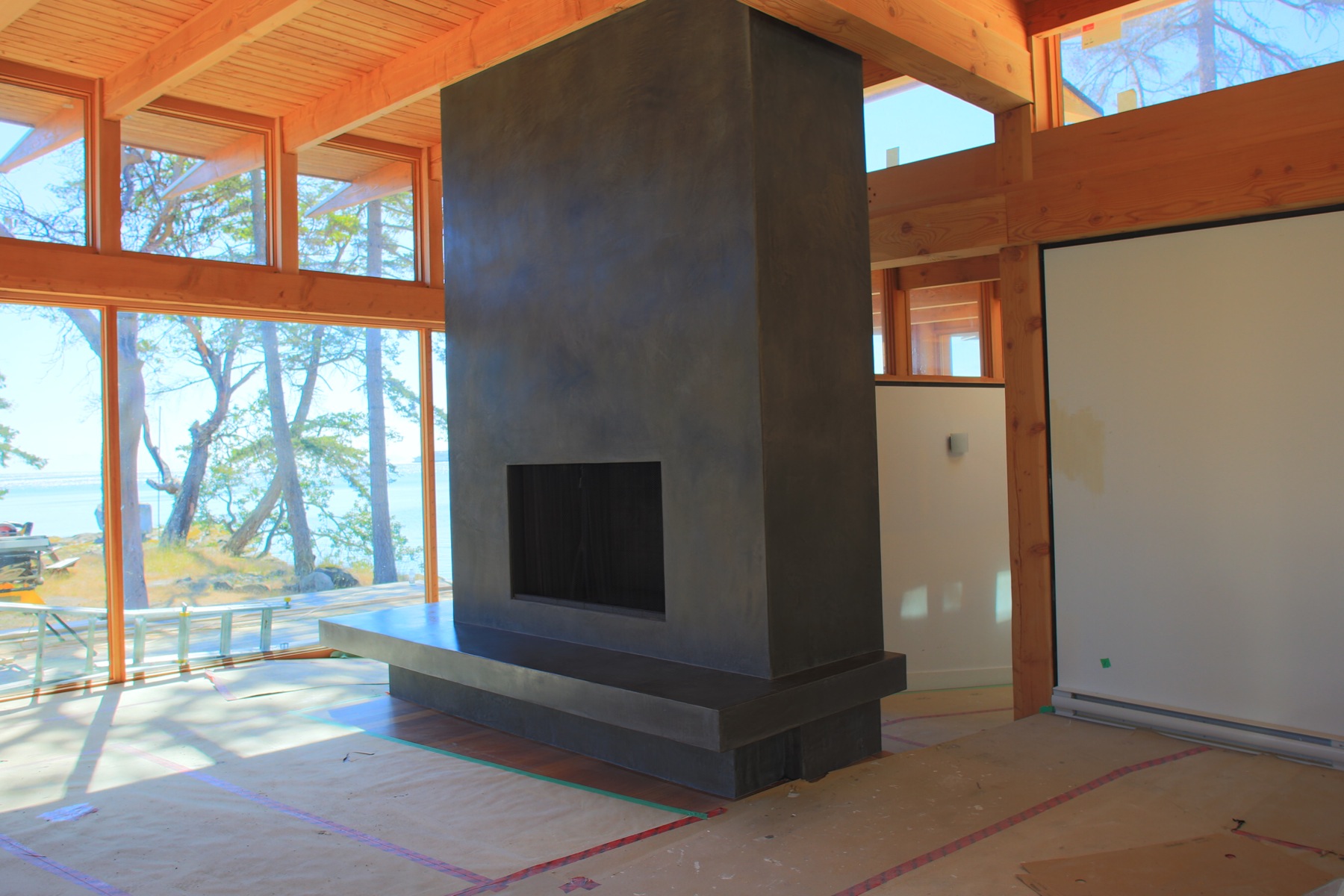
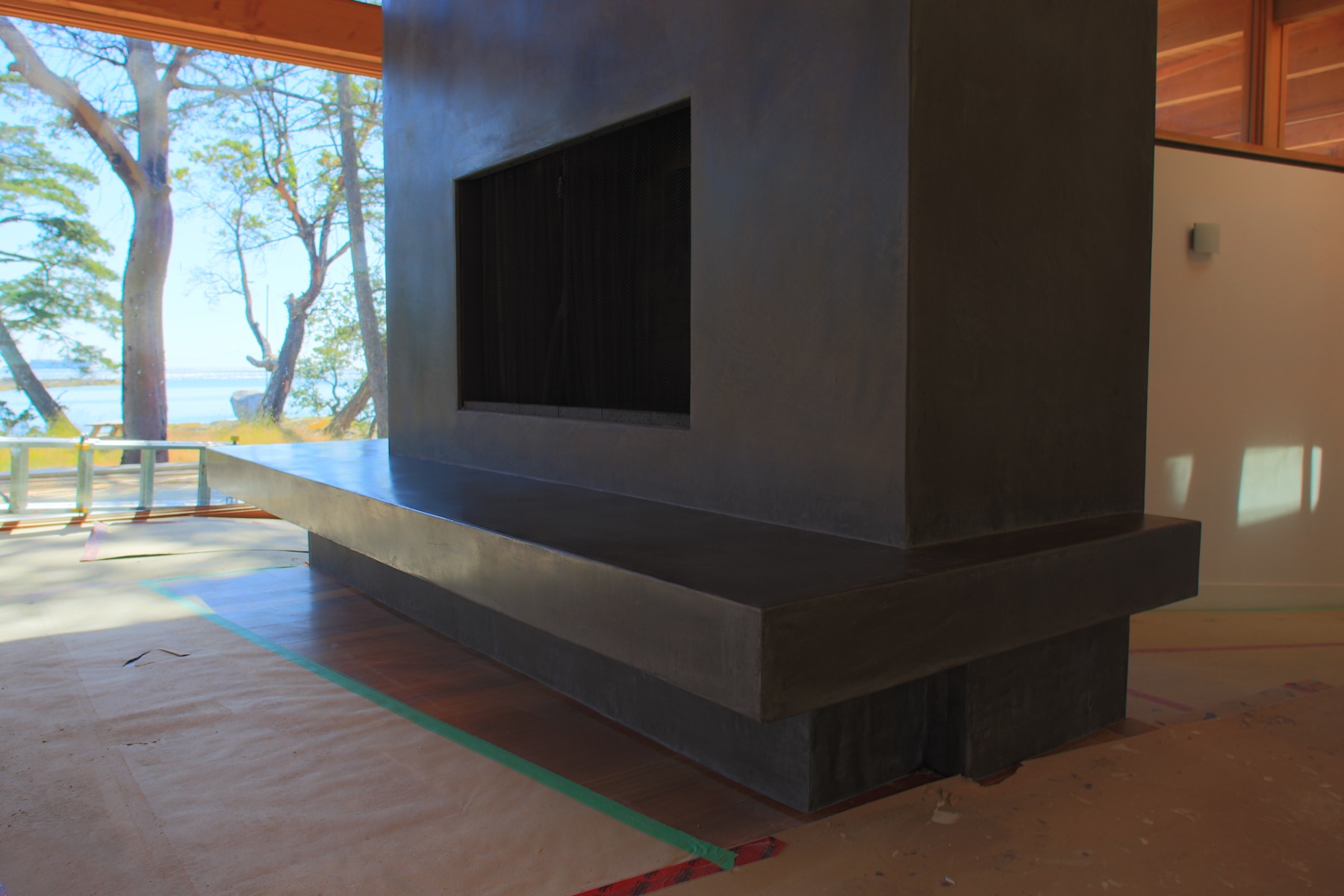
This is the 1st home I have Venetian Plastered that has 5 Juilet ballconies in the main hall, with one of the most amazing fireplaces I have ever seen. (That to come in the next post)

Here are some pictures from the start of the project

Powder Room Plaster finish

The house is still under major construction and I will share more as I find more time, bare with me the end of the summer is a real busy one.

Thanks for stopping by

Cheers
Darrell Morrison

[Post to Twitter]  [Post to Delicious]  [Post to Digg]  [Post to Facebook]  [Post to StumbleUpon] 

Tadelakt A Shower To Dream Of In Venetian Lime Plaster

If you know me, you know I’m a busy guy. It’s work, work, work, these days, and when it’s not about work, it’s about time with my wife, my girl, and the pups.

Needless to say, like most of us, I seldom get to do the projects around the home that I dream of doing.

That all changed in the last month, because not only did I finally get to do a bit of home reno that my family gets to enjoy, but I also got to try something I’ve wanted to do for a really long time — a heavy-duty Italian venetian plaster treatment to a bathroom shower stall.

This work was done in our main-floor bathroom, which had been wanting TLC for a while.

Doing any project for the first time, especially when it’s a bathroom, can make it hard to estimate all the work involved, so getting a chance to explore the process on my own time was great.

It was a major project by the time I finished, as you can tell by the end results, but what did it take to get there?

Here’s how the Home Shower Venetian Plaster Project evolved, start to finish.

This ’70s bathroom came with tons of cedar, which all had to come down. Luckily, it was installed by someone who didn’t make much effort to do it right, so only a couple nails in each board ensured they popped right off. Removing the shoddy work made investing time in improving the room that much more satisfying.

The first thing I wanted to do was move the shower-head up by about two feet. No one wants to crouch for a shower.

Before now, I never had the need, or an opportunity, to work with copper. I decided I’d take a kick at the copper can instead of calling a plumber, and working with the pipes was easier than I expected. I might do the odd fix-it job here and there now, but I’d certainly never do my whole place.

Next, I installed plywood. I’m sure some of you building guys out there are wondering “why not concrete board instead of plywood?”

It’s a preference, really. I find plywood’s just easier to work with, and it comes in big old 4×8-foot sheets, making for less cutting in some situations, but, most importantly, I find plywood’s a big help when it comes to installing lath. (Shown later.)

Next up was installing the water-proof membrane. Obviously a quality project is needed for a shower, and I used a local company’s product, called, “SuperSeal” you can learn more about it here.


Then came the lath, and that installation was definitely a two-person job. Getting the lath stretched into and around corners took a lot of force and grunt-work. As we got through that, here’s how it got to looking:

Finally, after all that, it was time to do what I love best — the plastering! First, I slapped up two coats of concrete so there would be a ½-inch seamless base for the lime plaster to build upon. Concrete’s not a pretty project — it’s sloppy, and it made a mess of both a floor and me.


Then came the wait. It took a week — six whole sleeps! — of waiting for the concrete to fully cure, and then I finally got to start the really, really fun stuff — the tinted lime plaster.

I went for a rich, warm colour palette, which really stands up well in the space. Here’s how it looks:


Like most weekend do-it-yourself renos, I ran out of time and some finishing still needs doing on the rest of the details. One day, the countertop will get changed out, and clearly the white curtain needs to go. I just need some 30-hour days, maybe.

It was a fun adventure, one that pays off every time I walk in the room.

Is plaster something you’d consider for a bathroom now? There are a lot of good reasons to choose plaster over tile or other options, and I plan to share that with you in the coming weeks.

Until then, keep checking back — lots of big projects are ahead!

Cheers,
Darrell Morrison

[Post to Twitter]  [Post to Delicious]  [Post to Digg]  [Post to Facebook]  [Post to StumbleUpon] 

Wood Staining And Finishing

I’ve written before about my love for wood staining. In a world of laminate from Ikea and pre-finished wood from Home Depot, we forget that wood staining isn’t just a dramatic statement, it’s a real artform, but it’s dying out.

We’re doing our part to keep it alive.

I’ve been lucky to work on this home’s extensive staining project over the last few years. The architectural detail and craftsmanship in the woodwork is fantastic, and my job as the wood staining expert is to not only ensure I’ve got colour matching throughout all the areas, but also to make sure the wood grain doesn’t get lost in coverage.Other things I’ve had to watch for has been dripping and even making sure finish on all the surfaces offers a similar shine. When you’re talking this much surface area, that takes a lot of attention to detail.

Staining is always a labour of love but there’s nothing better to do for good quality woods. With mass-produced MDF and laminate everywhere, what little great woodwork we have should be stained, and not painted.

Today’s enviro-friendly stains are durable and good for Mother Earth. I only use Earth-friendly products, and I stand behind them. If I can’t work with a stain at home around my family, I wouldn’t put it in your home.

Quality staining and clear-coating can last for decades if done right. So, we do it right, but with Earth-friendly products.

We’re not just plaster-and-paint guys, we’re the guys you call for great wood treatments that will last for ages, whether it’s staining or clear-coating existing finishes. We’ll do woodwork all over the Lower Mainland, so keep us in mind if you have a project (big or small) you’re thinking of, or if a friend’s 1930 fireplace mantel needs rescuing.

[Post to Twitter]  [Post to Delicious]  [Post to Digg]  [Post to Facebook]  [Post to StumbleUpon] 

Venetian Plaster Project Walk Through Video

When you’re a guy working in the building trades, it’s not very often you get to travel for work, let alone work in a place like Banff, Alberta. This fantastic retreat in the mountains has been a dream-like project for me, and I’m happy to share with you this video of a walk-through of how the project’s coming.

As the build got further along, more plaster work got added to my slate. I love an owner getting excited about my technique and wanting more as the work progresses, especially in a place like this. By the end, Stucco Italiano’s Italian plaster was used throughout, stretching from the bottom up to the third floor.

Please set your viewing to high-def for all the detail!

Take a look at the waxed deep magenta plaster walls in the powder rooms, which includes that awesome entry feature and incorporates those subtle smooth textures across the walls and ceilings, on all floors.

Why would you want to use Italian plaster over both walls and ceilings? You have to consider the characteristics. No paint will match the beauty or durability over the long-term like Italian lime or Venetian plaster, and when you’re creating a mood in a room, why would you neglect the ceiling?

When the colour is fortified right off the bat, as I hand-mix plasters for application, including base coats, it gives a rich layered finish that doesn’t look man-made — it looks like it just belongs that way. It’s natural, rustic, and amazing for creating a mood in big and small spaces.

Lime plaster builds an atmosphere you just can’t get with only paint, and I’m a painter saying that.

When you’re talking about any kind of art or space, lighting means everything, and it’s definitely true with Intonachino plaster approaches I use in my Venetian/Italian lime finishes. As light moves across the room, during dusk through to dawn, and the light shifts from season to season, it changes the way the plastered surface appears, and you’ll always notice something different. It’s almost like your walls are a living part of your space.

This video will provide a perspective on the feel created with these finishes, but if the same video was shot at different times of day, you’d get more a sense of why I say that lightning — natural or electrical — is plaster’s best friend.

It’s been a while since this amazing journey began. Have a look at how far we’ve come, and how this plaster came to life. Click here to see the beginning blog posts.

[Post to Twitter]  [Post to Delicious]  [Post to Digg]  [Post to Facebook]  [Post to StumbleUpon] 

Next Page »